01
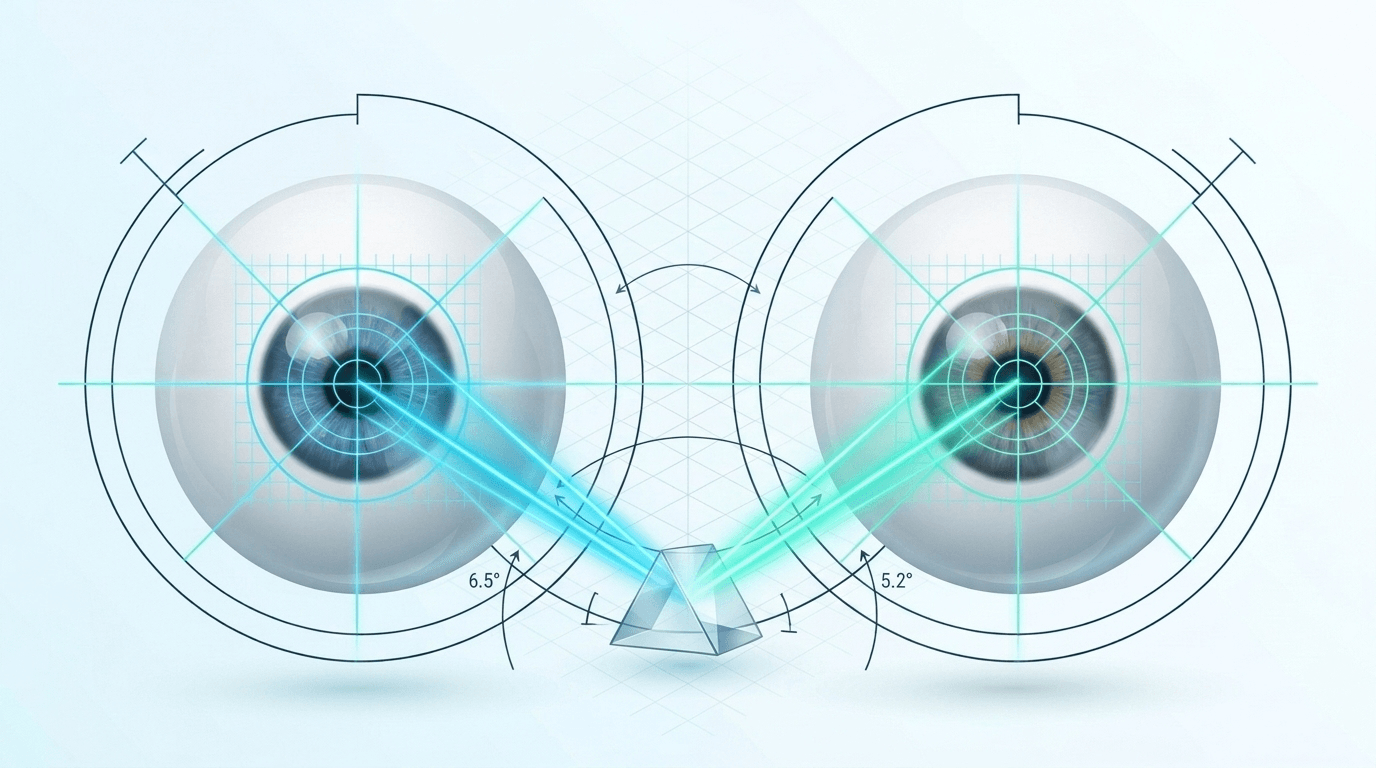
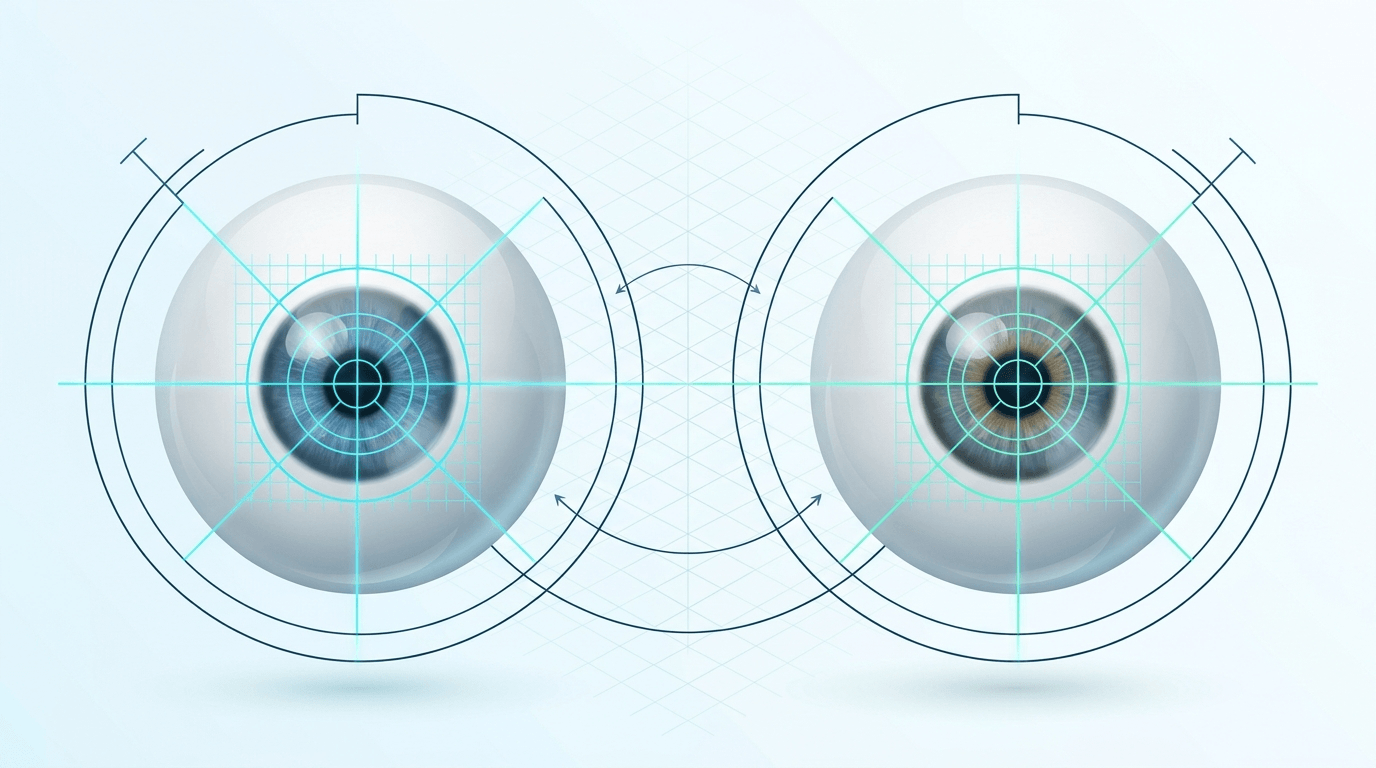
Alignment Assessment
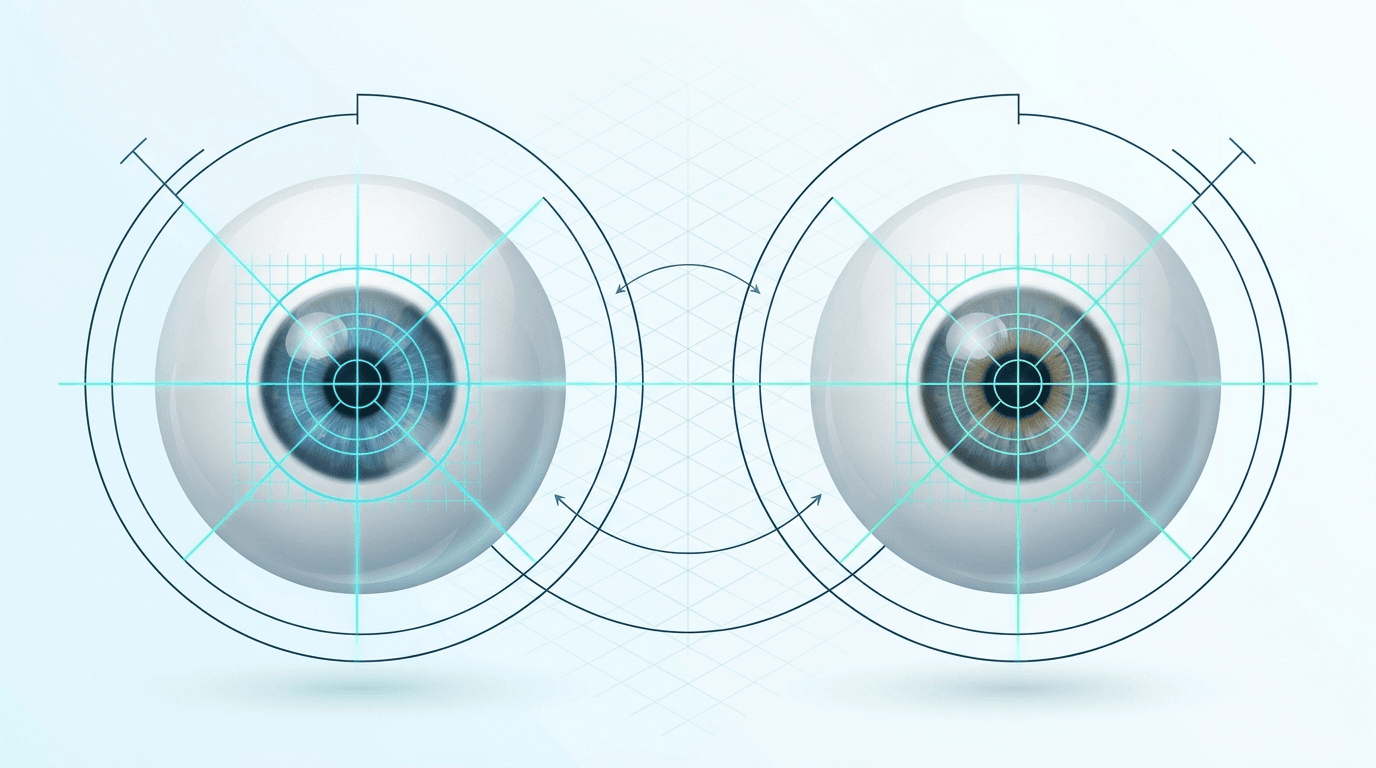
Objective evaluation of visual axes, direction and positioning of both eyes.
Squint care
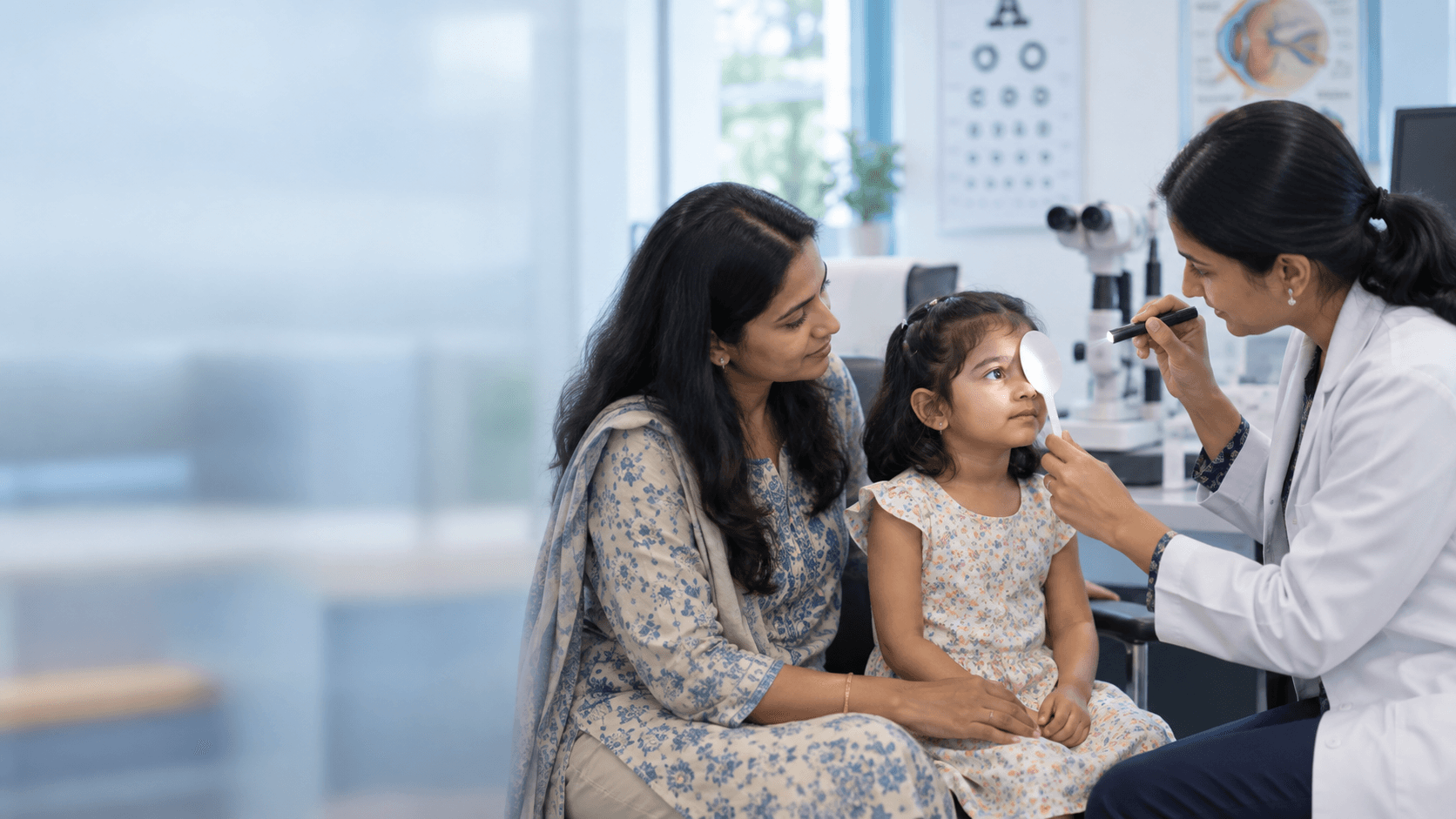
A squint can affect how the eyes align and work as a pair. Careful assessment helps us understand vision, eye movement and the right next step for your child or family member.
Alignment assessment for eye movement and coordination
Vision checks tailored to age and comfort
Clear guidance for treatment and follow-up
Squint & amblyopia care
Squint, also called strabismus, is when the eyes do not align and look in different directions. Amblyopia, often called lazy eye, develops when vision in one eye does not mature clearly.
Early assessment is especially important for children. Timely care can support eye alignment, visual development and everyday confidence.
Objective evaluation of visual axes, direction and positioning of both eyes.
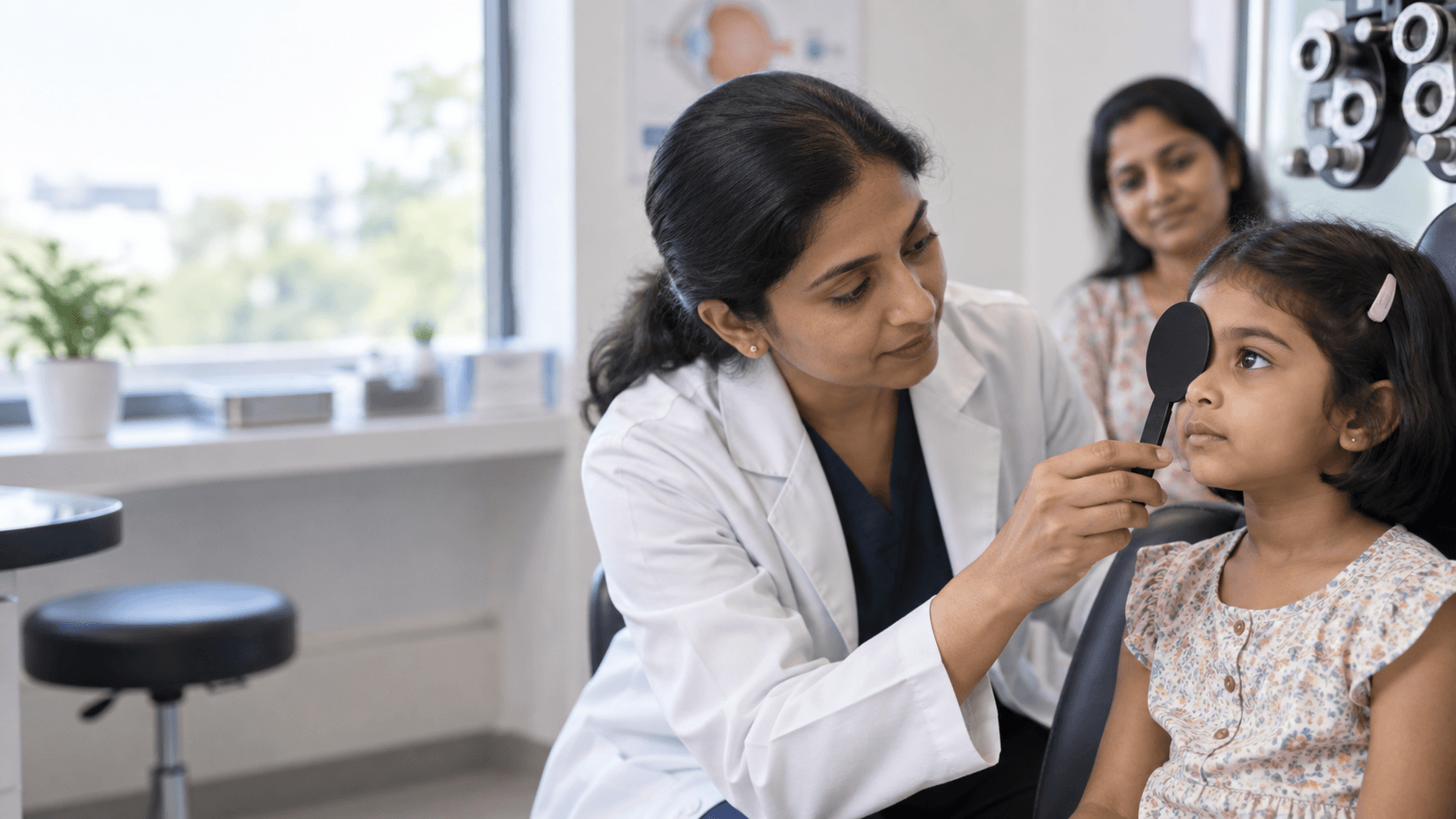
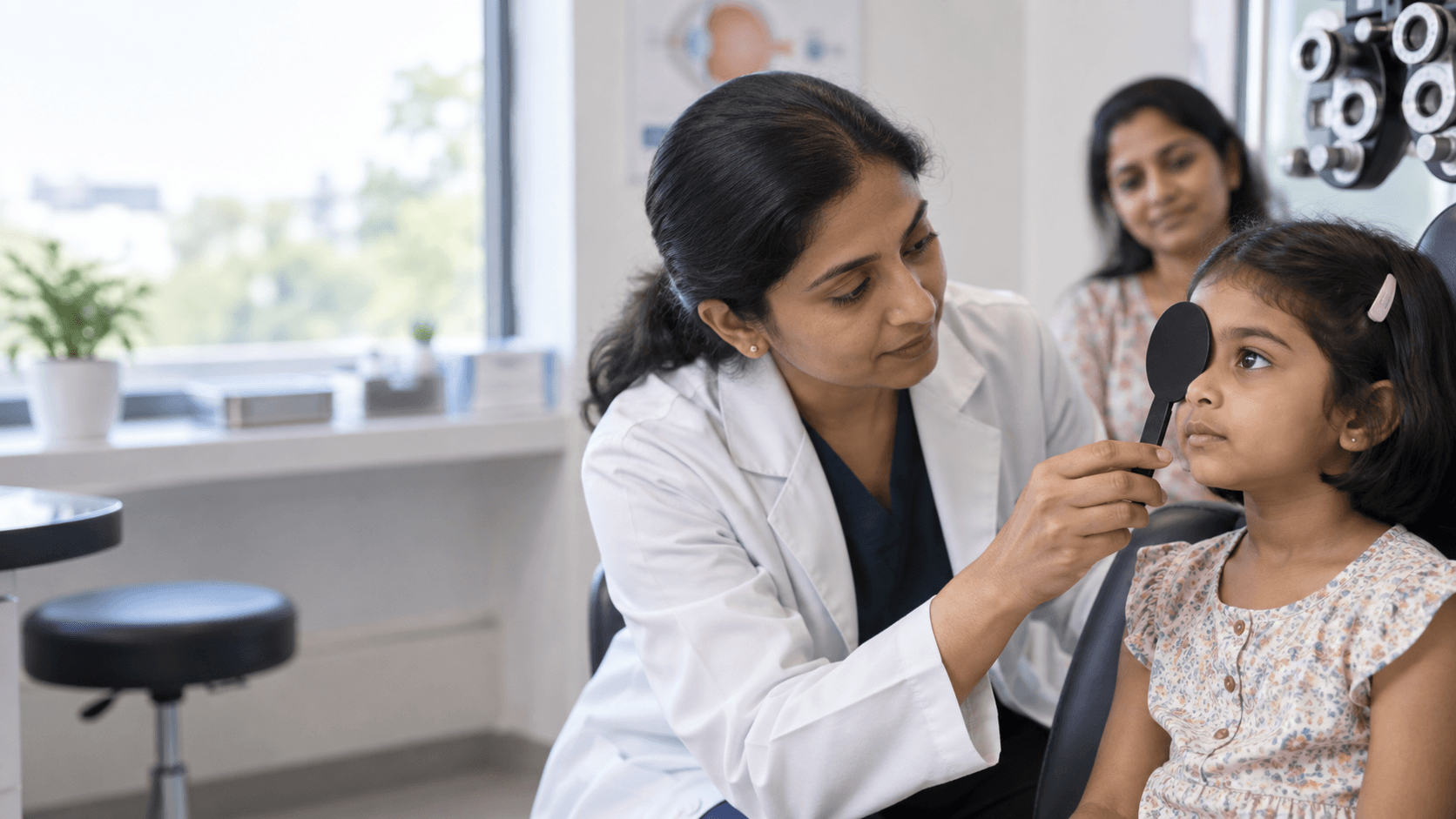
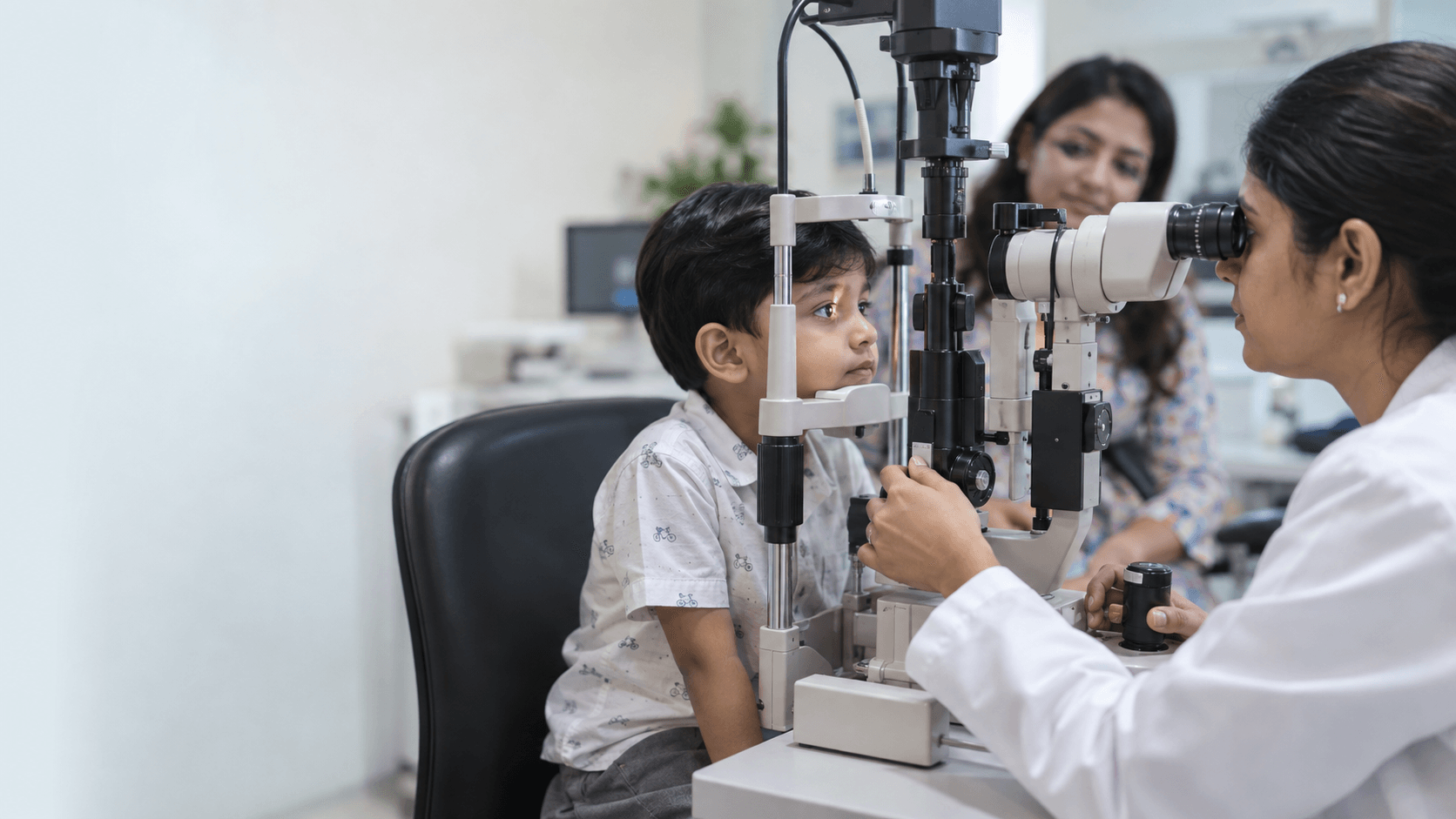
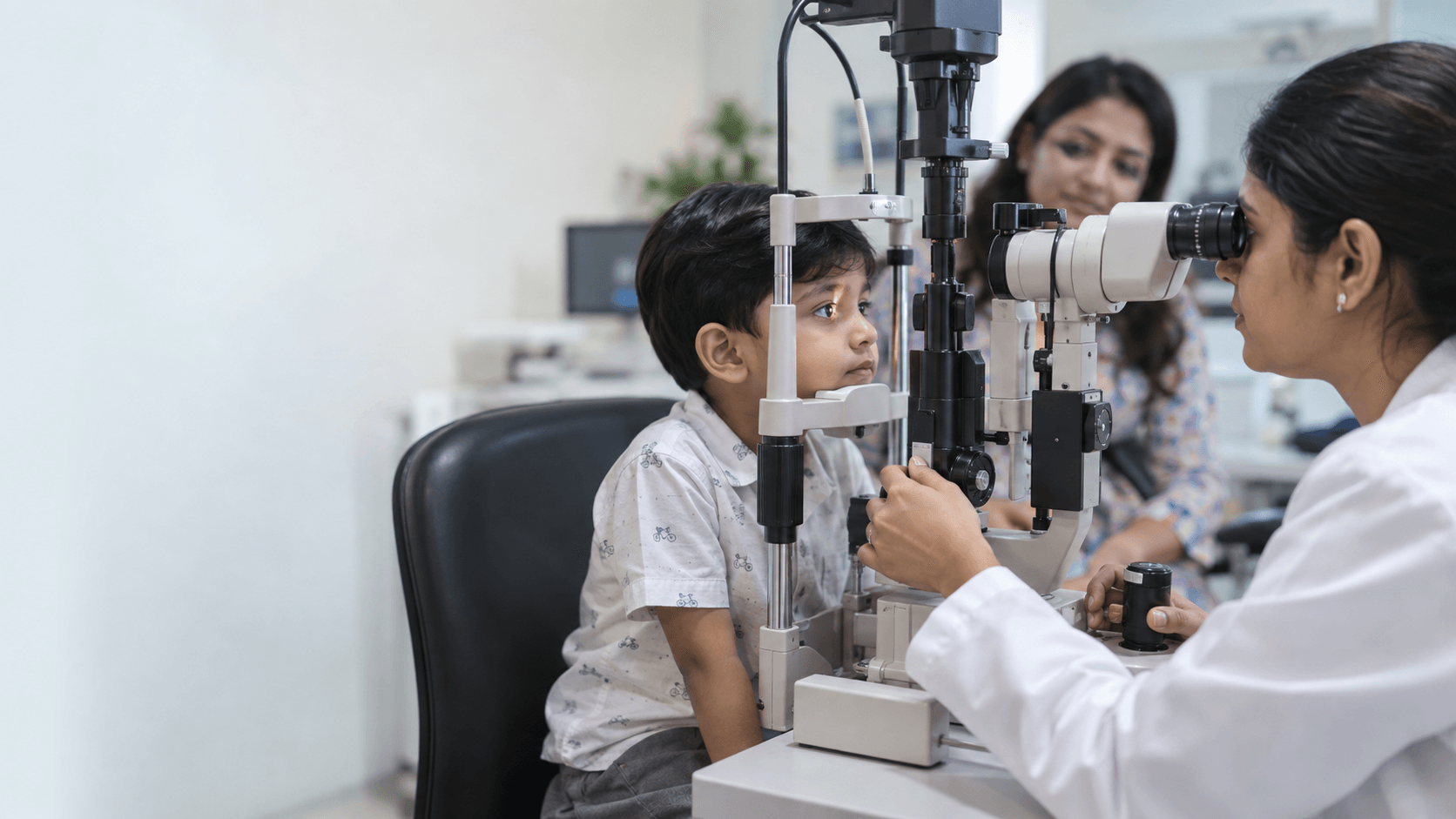
Gentle vision and cover tests help us assess alignment accurately.
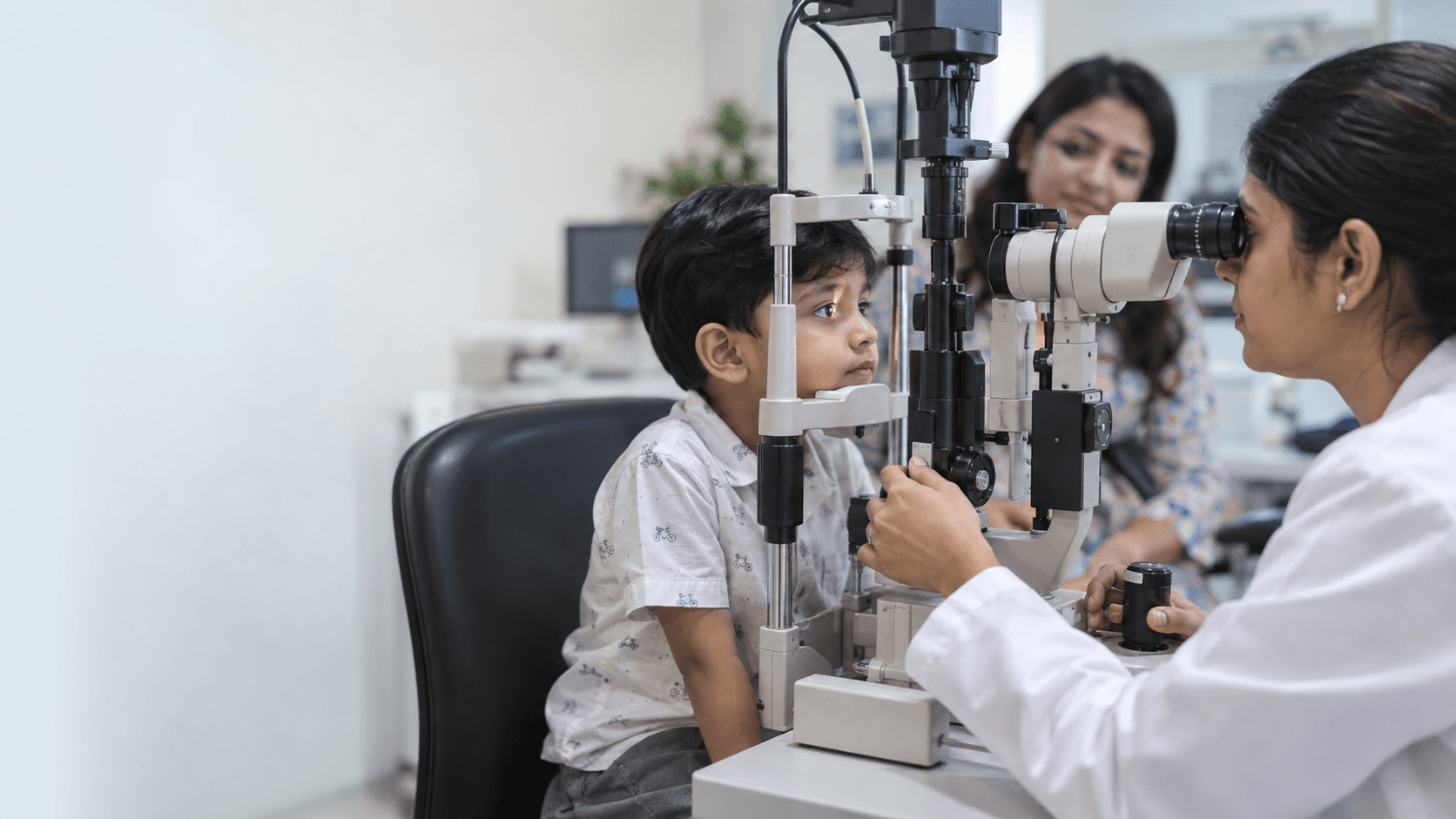
We check vision, eye movement and overall eye health.
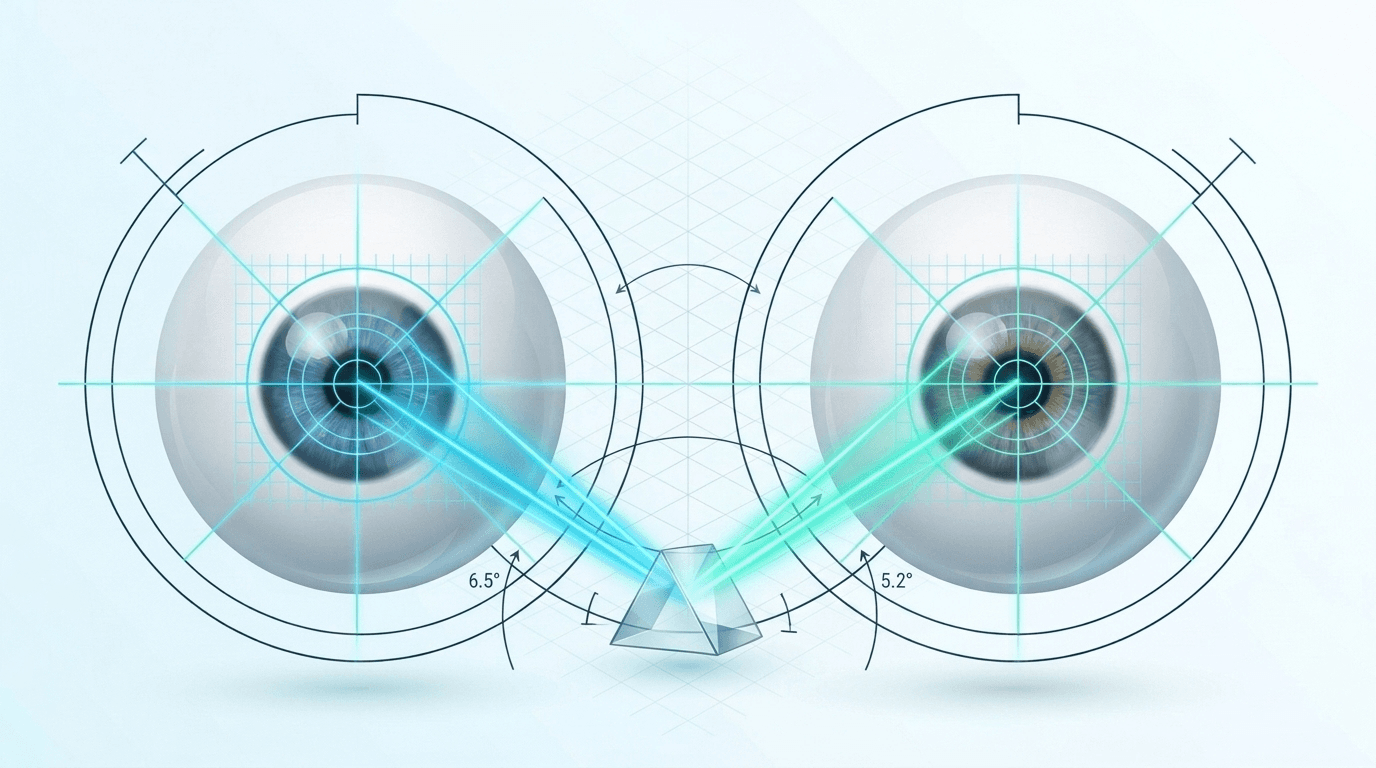
Regular follow-up, optical guidance and ongoing monitoring to support coordination.
Why choose us
Gentle assessment, specialist guidance and clear communication for children and families across Gandhidham and the Kutch region.
Squint care is supported by our visiting pediatric ophthalmologist and squint surgeon, Dr. Ankit Shah, Diploma in Ophthalmology – West Bengal University of Health Sciences, Kolkata (2016), DNB Ophthalmology – National Board of Examinations, New Delhi (2018).
Gentle, age-appropriate vision and alignment checks help children stay comfortable and cooperative.
Cover tests and eye-movement checks help assess how well the eyes work together.
Vision in each eye is checked so lazy eye can be identified early, when treatment tends to help most.
Glasses, patching, therapy or surgery are considered only after examination, based on your child's needs.
Assessment and guidance are available for children and for adults who notice eye misalignment.
The team explains each step clearly to parents and families, with guidance through follow-up.
Consultations are supported in English, Hindi and Gujarati to help patients and families understand their care.
Squint & amblyopia
A timely evaluation can help detect squint and amblyopia early. Consider a consultation if you experience:
Our advanced options
From gentle assessment to glasses, lazy-eye therapy and surgery, every care plan is based on your child's examination and needs.
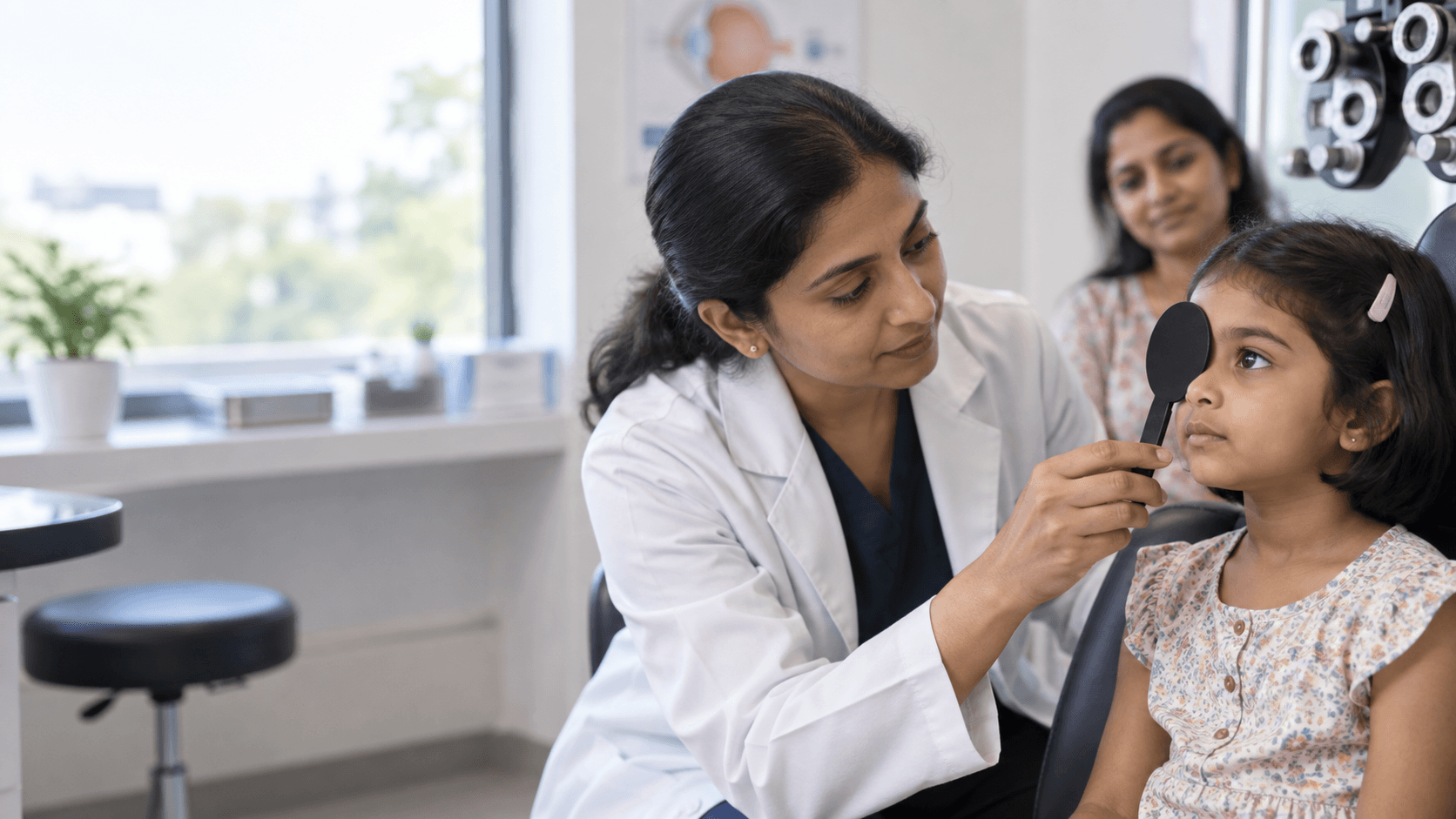
A gentle examination checks how the eyes line up and move together, and records a baseline for comparing future results.
Some squints are linked to uncorrected focusing errors. The right glasses can improve alignment and help vision develop evenly.
When vision in one eye has not developed clearly, patching or other therapy may be advised to strengthen the weaker eye.
When other measures are not enough, surgery on the eye muscles may be recommended to improve alignment.
Treatment choice depends on the type of squint, vision in each eye and your child's age and overall eye health. Your ophthalmologist will explain suitable options after examination.
Squint and lazy eye are most treatable when found early. Timely assessment and consistent follow-up help protect vision and eye alignment.
Each step is explained clearly, so parents know what to expect and how to support treatment at home.

Glasses, therapy or surgery may help the eyes line up and work together more comfortably.
Early care in childhood supports clearer vision in both eyes as the visual system matures.
Results vary with the type of squint, age at treatment and how consistently treatment and follow-up are maintained. Your ophthalmologist will discuss realistic expectations with you.
Patient Care
Our team provides eye consultations, diagnostic evaluations and treatment planning based on each patient's individual eye health needs.
Eye examinations help our doctors assess your symptoms and eye health to determine the appropriate next steps for your care.
Eye examinations and diagnostic tests help our doctors assess eye conditions and guide clinical decisions.
Our doctors discuss suitable treatment options and recommend follow-up care according to each patient's individual needs.
Helpful guidance about squint checks, lazy eye, treatment options and what to expect from your child's visit.
A squint, also called strabismus, is when the eyes do not line up and look in different directions. It can be constant or come and go, and can affect children and adults.
Amblyopia develops when vision in one eye does not mature clearly, often because the brain favours the other eye. It is most treatable when found early in childhood.
Squints do not usually resolve on their own. An early examination is important, so any vision problem can be identified and treated while the visual system is still developing.
Treatment depends on the type of squint and the child's vision. Options can include glasses, patching or other lazy-eye therapy and, when needed, surgery. Your specialist will explain the best option after examination.
Squint surgery is a commonly performed procedure done under appropriate anaesthesia. Your surgeon will explain the benefits and risks for your child's case before any decision is made.
Yes. Adults with a squint can be assessed, and treatment options such as glasses, prisms or surgery may be considered depending on the cause and your eye health.
Appointments are preferred and help us give you adequate time. Walk-ins are seen subject to availability. You can book quickly via WhatsApp or phone.
Take the first step
Book a squint assessment to discuss your concerns, eye alignment and care options with the Neyani Eye Hospital team.
Your visit includes an eye examination and a clear explanation of suitable next steps.