01
Specialist-led care
A careful examination guides care for watering eyes, eyelid concerns and surrounding tissues.
Oculoplasty & watering eye care
For persistent watering, eyelid changes and tear-drainage concerns, a careful examination helps guide the right next step.
Oculoplasty & watering eye care
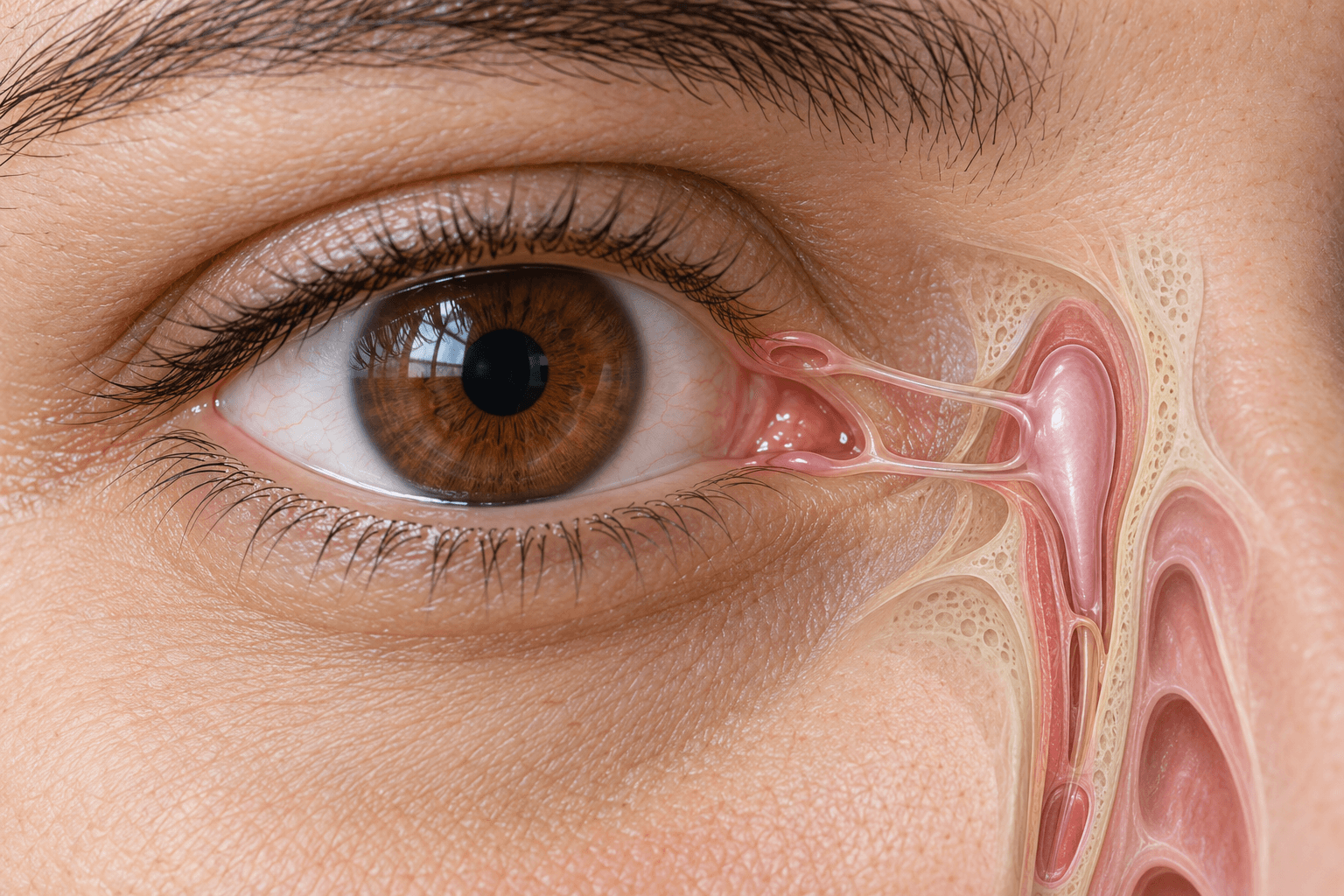
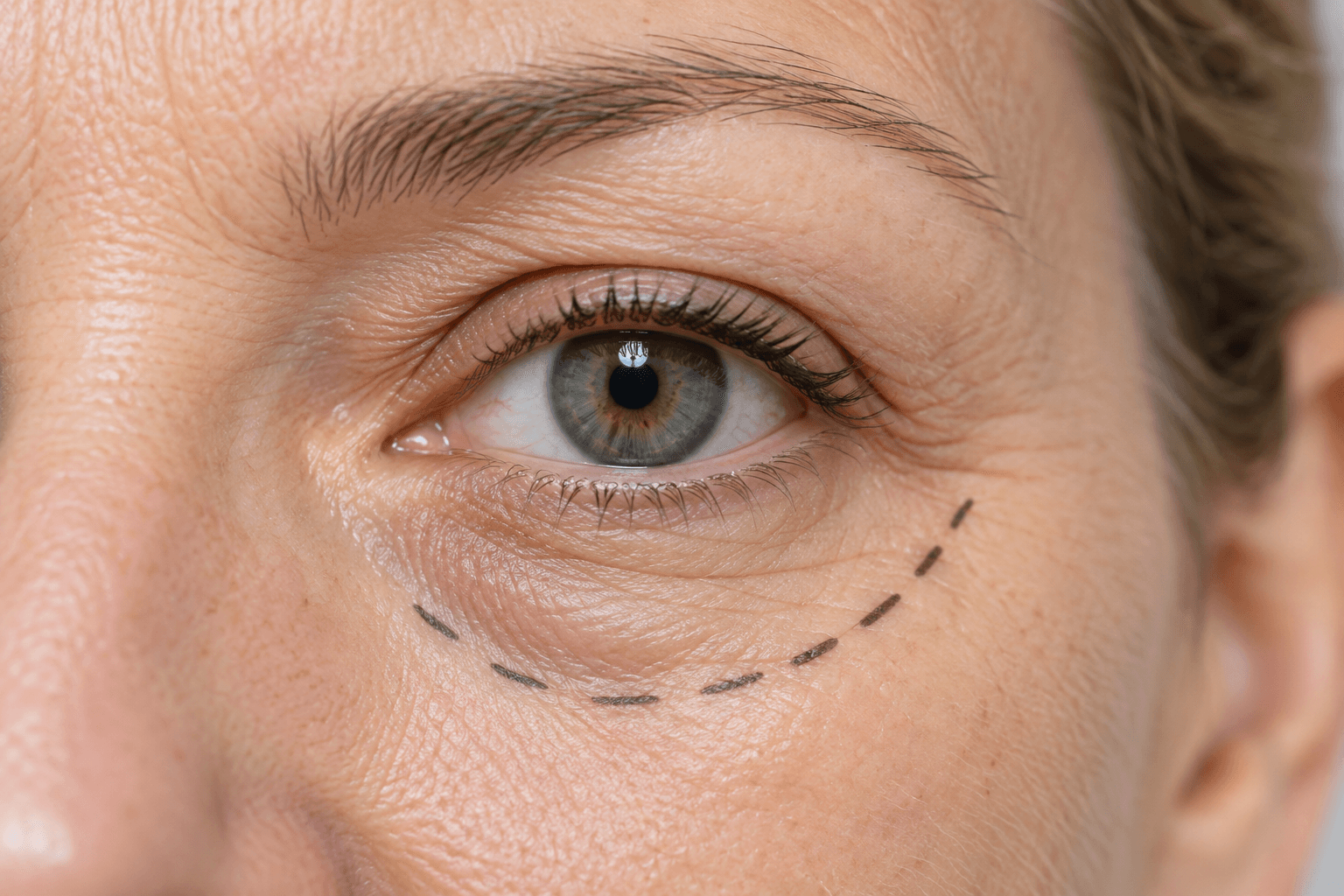
Oculoplasty is a specialised area of eye care that focuses on the eyelids, tear-drainage system and the surrounding tissues of the eye. It helps diagnose and treat concerns that affect comfort, function and eye health.
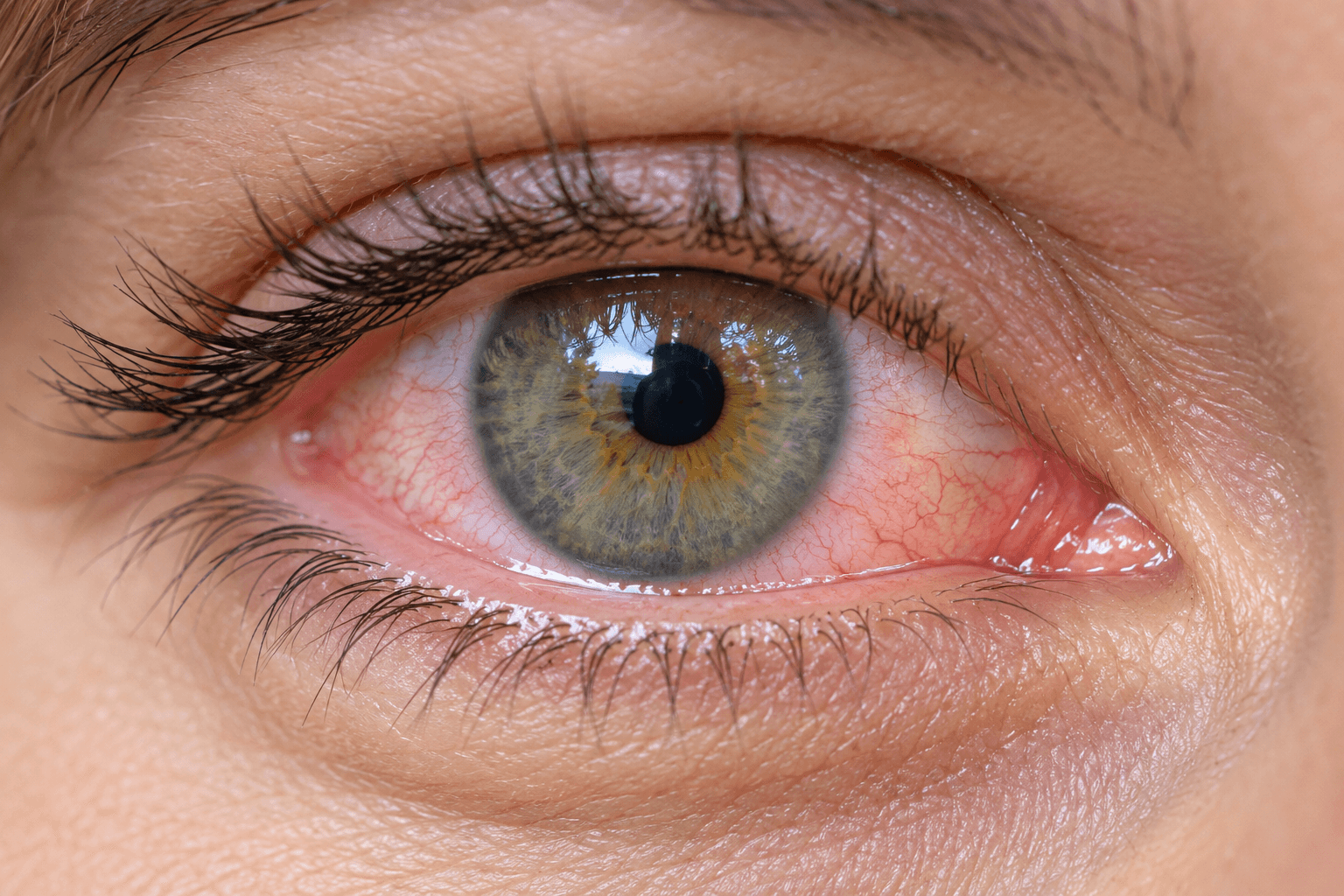
Watering eyes, also called epiphora, can be linked to tear drainage, eyelid position, dry eye, allergies or irritation. A detailed examination helps identify the cause and the most appropriate treatment.

Why choose us
Detailed assessment, thoughtful guidance and individual care for watering-eye and eyelid concerns across Gandhidham and the Kutch region.
A careful examination guides care for watering eyes, eyelid concerns and surrounding tissues.
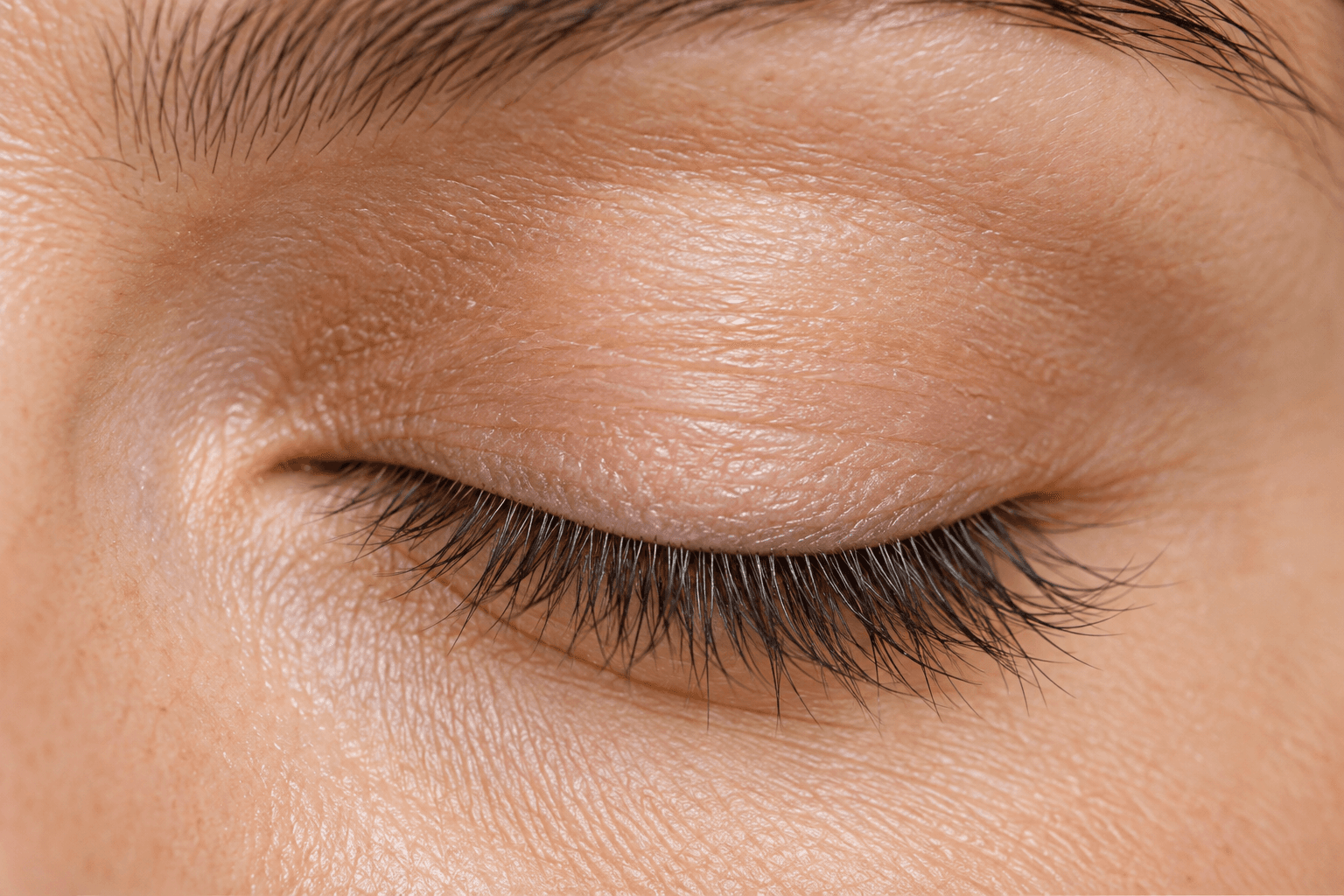
The eyelids, tear drainage and ocular surface are reviewed to identify the likely cause of symptoms.
Eyelid position, comfort and function are assessed together when they affect vision or irritation.
Treatment and follow-up are selected after examination, according to your symptoms and eye health.
Tear film and drainage concerns are assessed to help plan the appropriate next step.
Early assessment can help avoid ongoing irritation, watering or discomfort.
The team provides clear guidance through assessment, treatment and eligible insurance or TPA documentation.
Consultations are supported in English, Hindi and Gujarati for patients and families.

Signs & symptoms
You may benefit from an oculoplasty consultation if you notice signs or symptoms related to your eyelids, tear drainage or the surrounding areas of the eye.
Tears that keep flowing without an obvious reason.
Redness, swelling or discharge near the eye or eyelids.
Position changes that cause irritation or watering.
Eyelids that appear droopy or interfere with sight.
Any new or changing lump, cyst or skin lesion.
Trauma, swelling or a noticeable change around the eye.
Assessment journey
A simple, step-by-step approach to understand the cause of your symptoms and plan the right care for your eyes.


We listen to your watering, eyelid or comfort concerns and review relevant eye history.
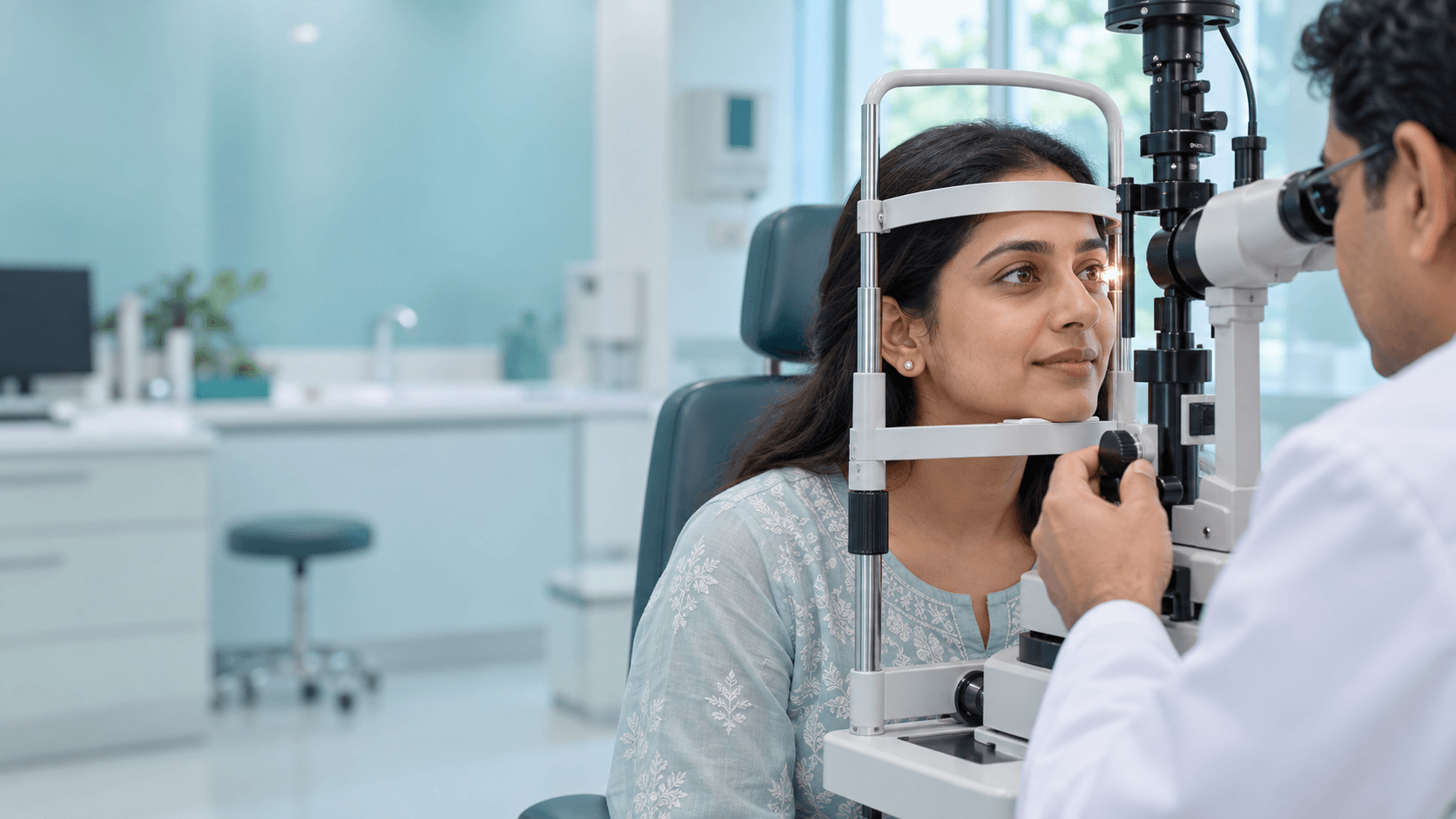
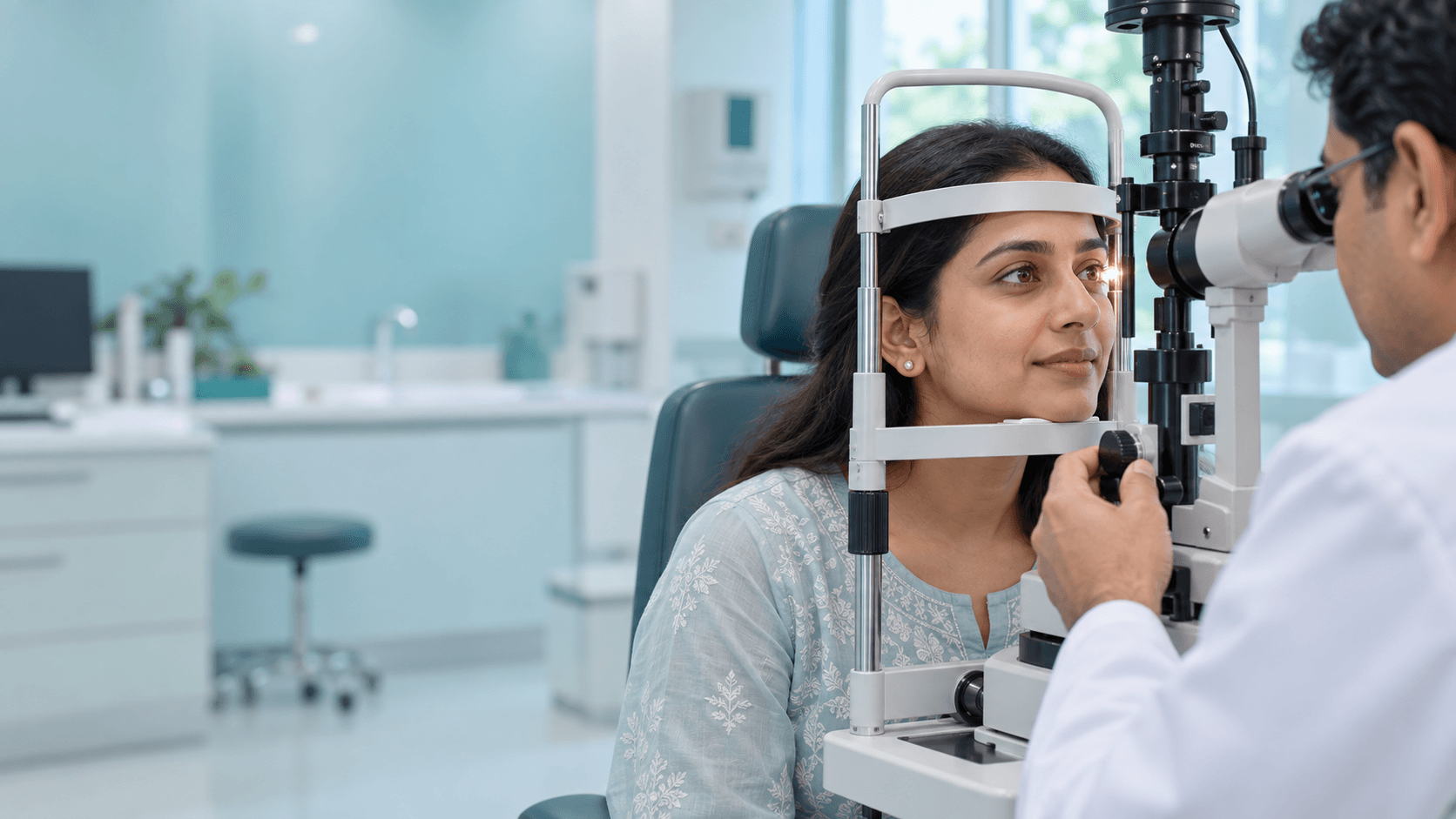
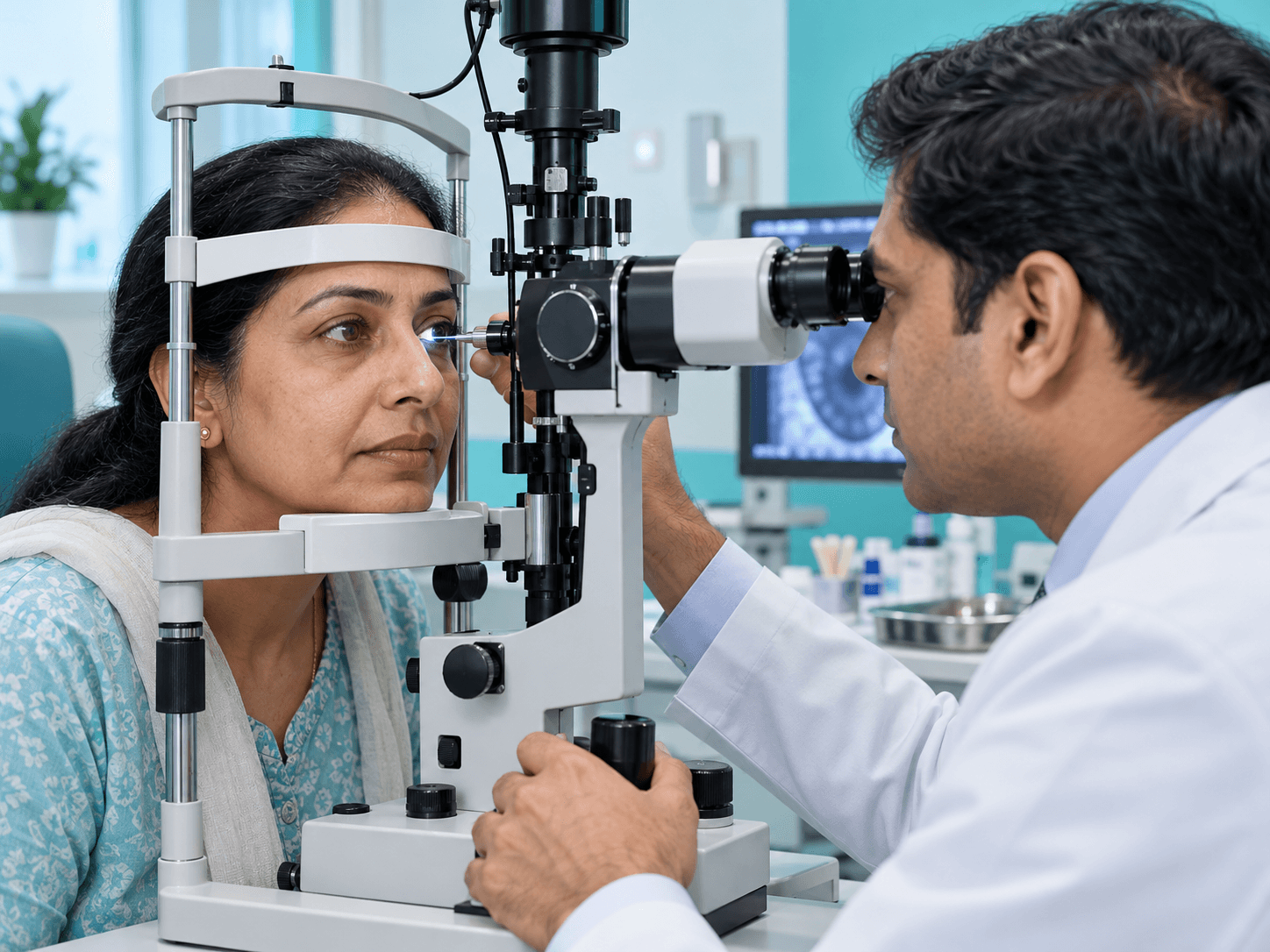
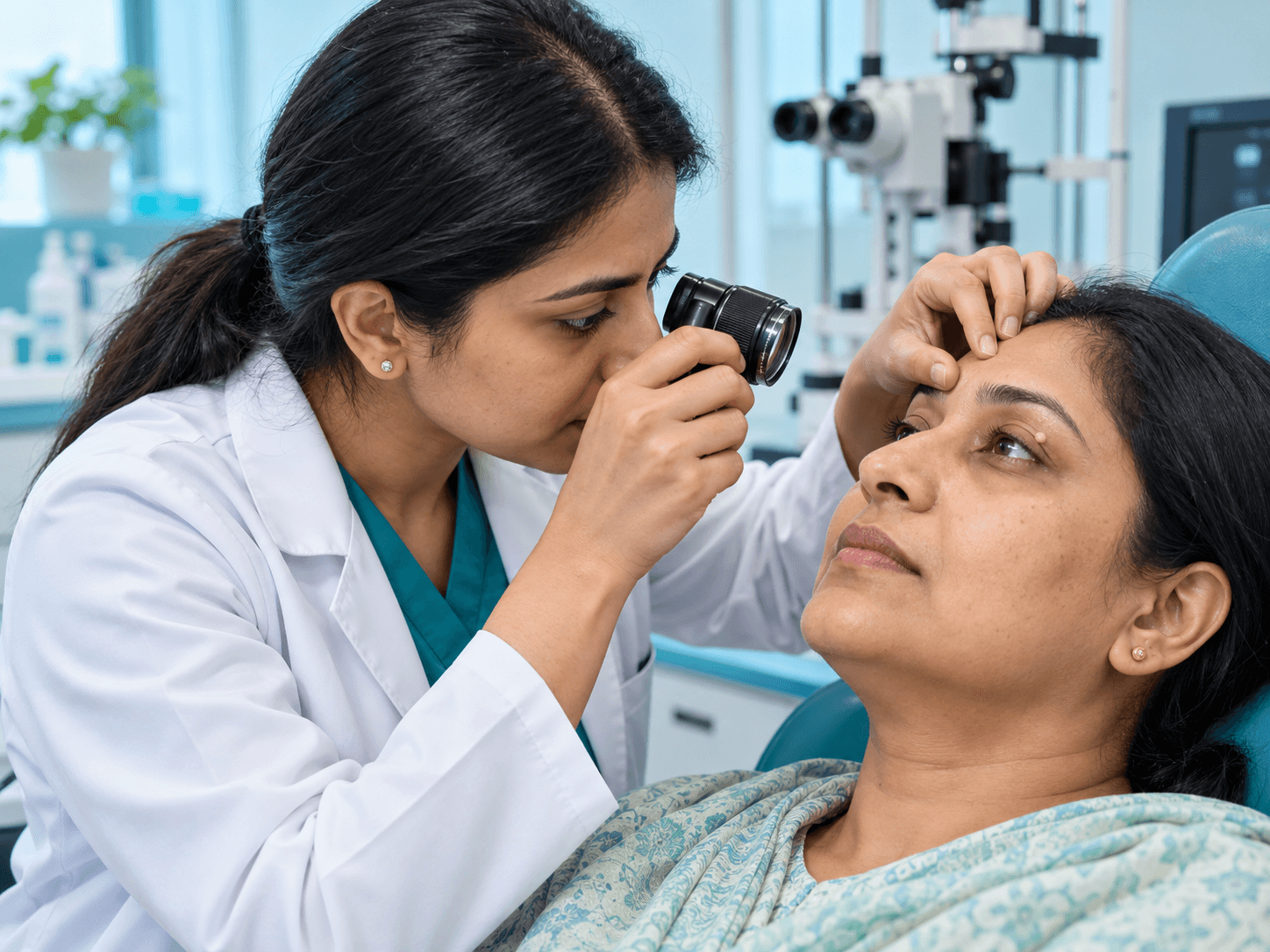
Your eyelids, lashes and ocular surface are checked carefully with a slit lamp.
Tear drainage is assessed when your symptoms suggest a flow or blockage concern.
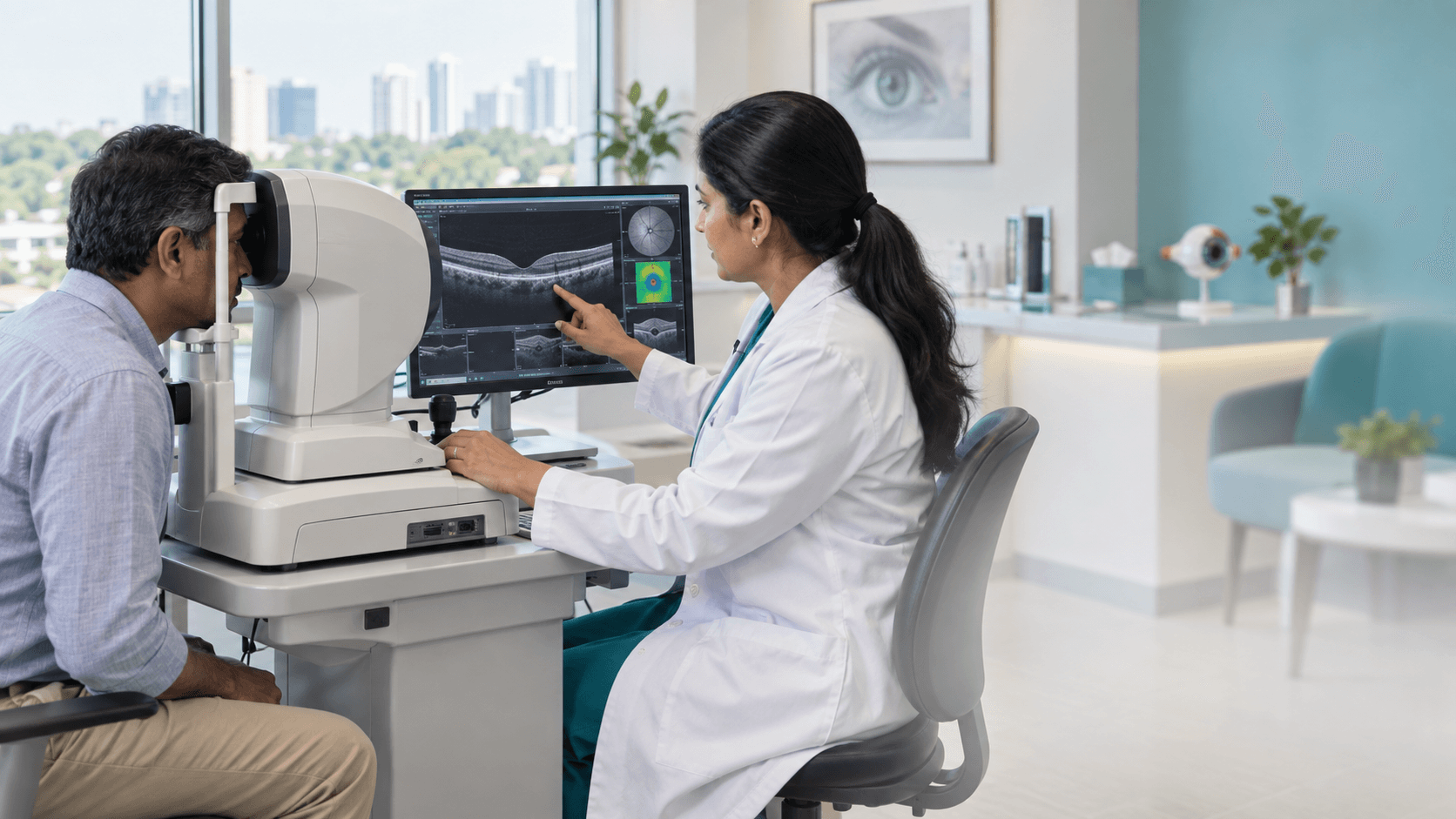
Imaging or a specialist referral is arranged only when it will guide your care.
Our advanced options
Treatment is selected after a detailed examination of your eyelids, tear drainage and ocular surface.

Care for dryness, allergy and surface irritation that can contribute to persistent watering.

Assessment and treatment planning for eyelids that turn in, turn out or affect comfort and function.
Tear-flow assessment with procedures considered only when examination findings indicate they may help.
Review of eyelid lumps or lesions, with removal considered where clinically appropriate.
Treatment choices depend on your examination findings and overall eye health. Your ophthalmologist will explain suitable options after assessment.
Benefits of timely care

Greater comfort can support clearer, more comfortable everyday vision.

Care targets the cause of persistent watering and discomfort.

Early assessment can help address ongoing irritation or recurrent infection concerns.
Patient Care
Our team provides eye consultations, diagnostic evaluations and treatment planning based on each patient's individual eye health needs.
Eye examinations help our doctors assess your symptoms and eye health to determine the appropriate next steps for your care.
Eye examinations and diagnostic tests help our doctors assess eye conditions and guide clinical decisions.
Our doctors discuss suitable treatment options and recommend follow-up care according to each patient's individual needs.
Answers to common questions about persistent watering, eyelid concerns and your oculoplasty assessment.
Dryness or surface irritation can trigger reflex tearing. An examination can help distinguish this from eyelid or tear-drainage causes.
Your ophthalmologist reviews symptoms, eyelid position and tear flow. Further tear-drainage testing may be recommended when appropriate.
Yes. Eyelids that turn inward, outward or do not close well can affect tear distribution and drainage.
A procedure is considered only after examination confirms a cause for which it is likely to help.
Many eyelid lumps are not serious, but new, changing or persistent lesions should be assessed by an eye specialist.
Bring your current glasses, medication list, previous eye records or scans, and any relevant referral details.
Oculoplasty consultation
The right treatment depends on your examination findings, symptoms and eye health.