Often related to UV exposure
More common in people who spend time outdoors.

Pterygium treatment
A pterygium can cause redness, irritation or changes in vision. A careful eye examination helps determine the right next step for you.
Surface assessmentComfort and eye-surface changes reviewed
Vision checkedClarity and astigmatism assessed
Clear next stepsCare guided by your examination
What is pterygium?
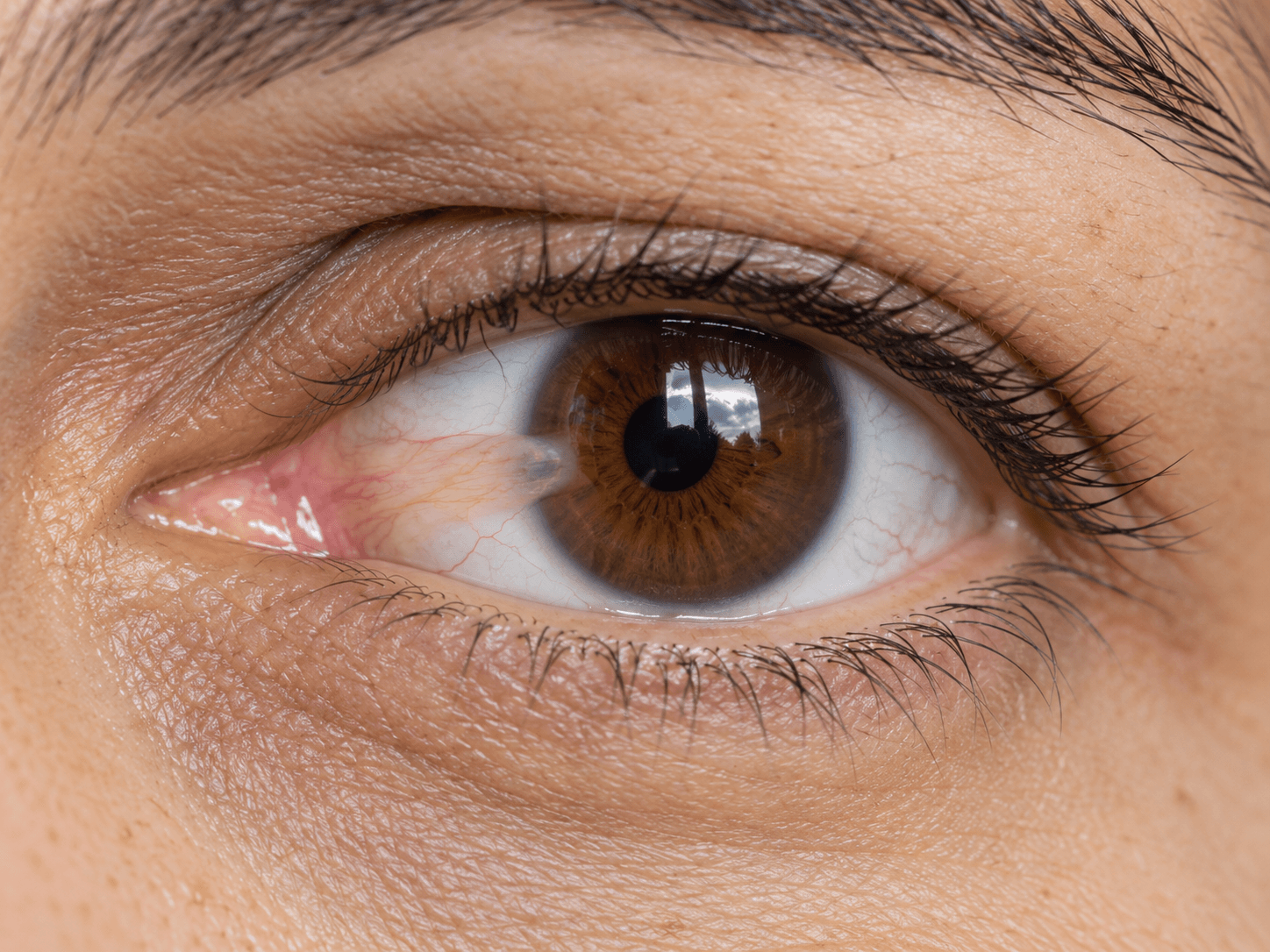
A pterygium is a common, non-cancerous growth of thin tissue on the clear surface of the eye. It usually starts on the white part of the eye and can gradually grow towards the cornea.
More common in people who spend time outdoors.
A benign growth that can increase in size over time.
It may cause irritation, redness or blurred vision if it reaches the cornea.
Why choose us
Detailed examination, specialist assessment and clear guidance for patients and families across Gandhidham and the Kutch region.
Care led by Dr. Yajuvendra Singh Rathore – MBBS, MS Ophthalmology (Reg. No: G-60559), with experience in examining and managing eye-surface conditions.
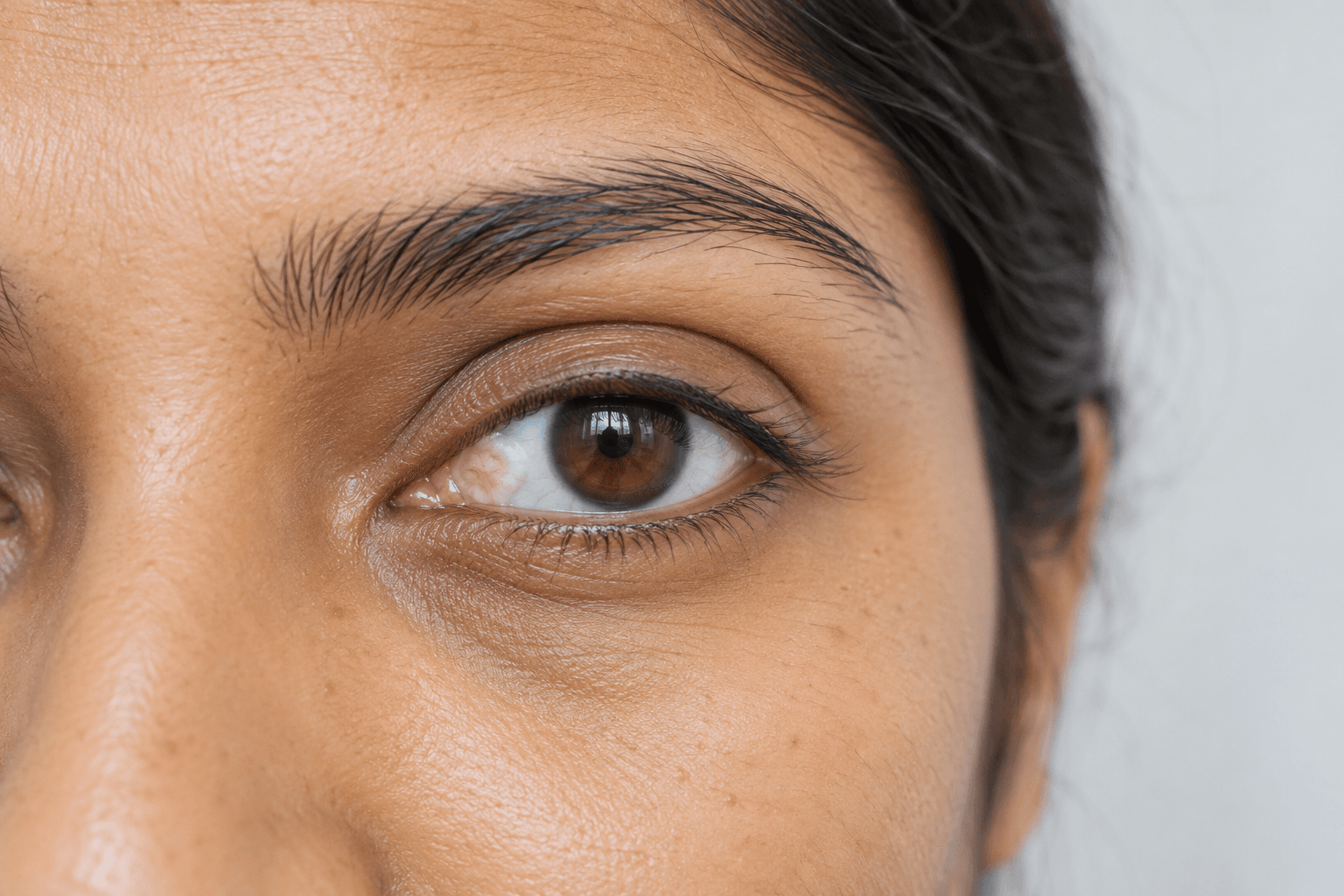
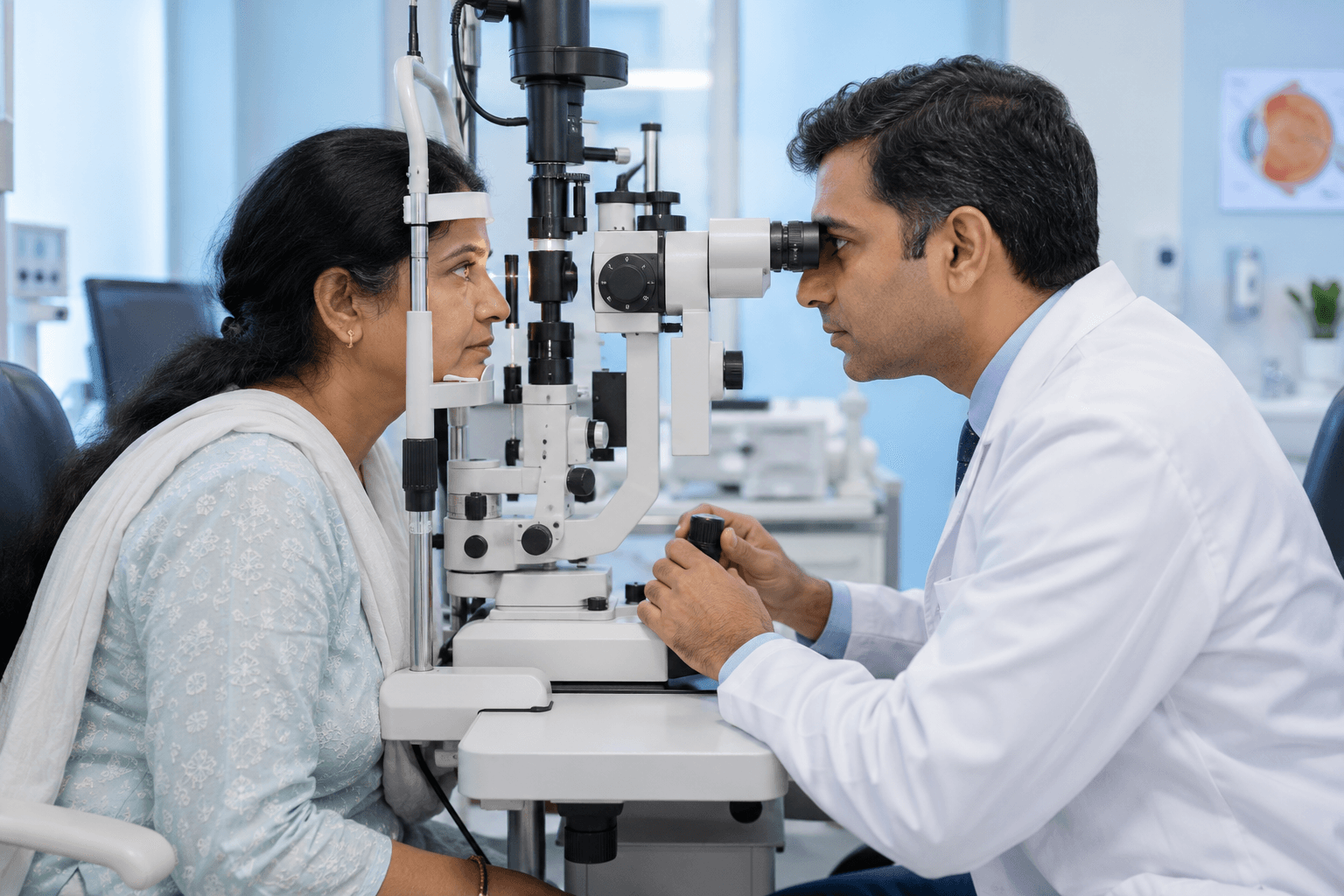
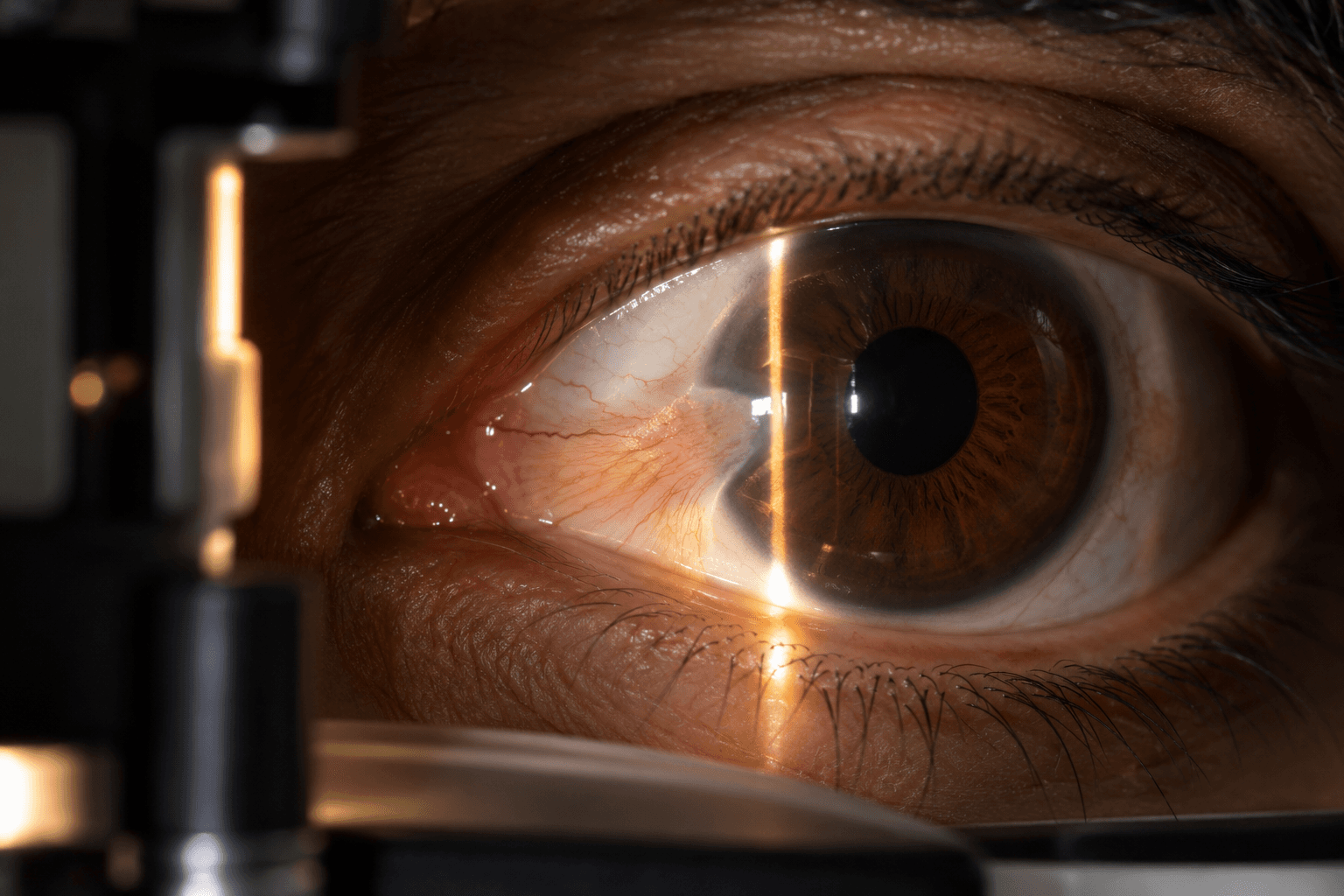
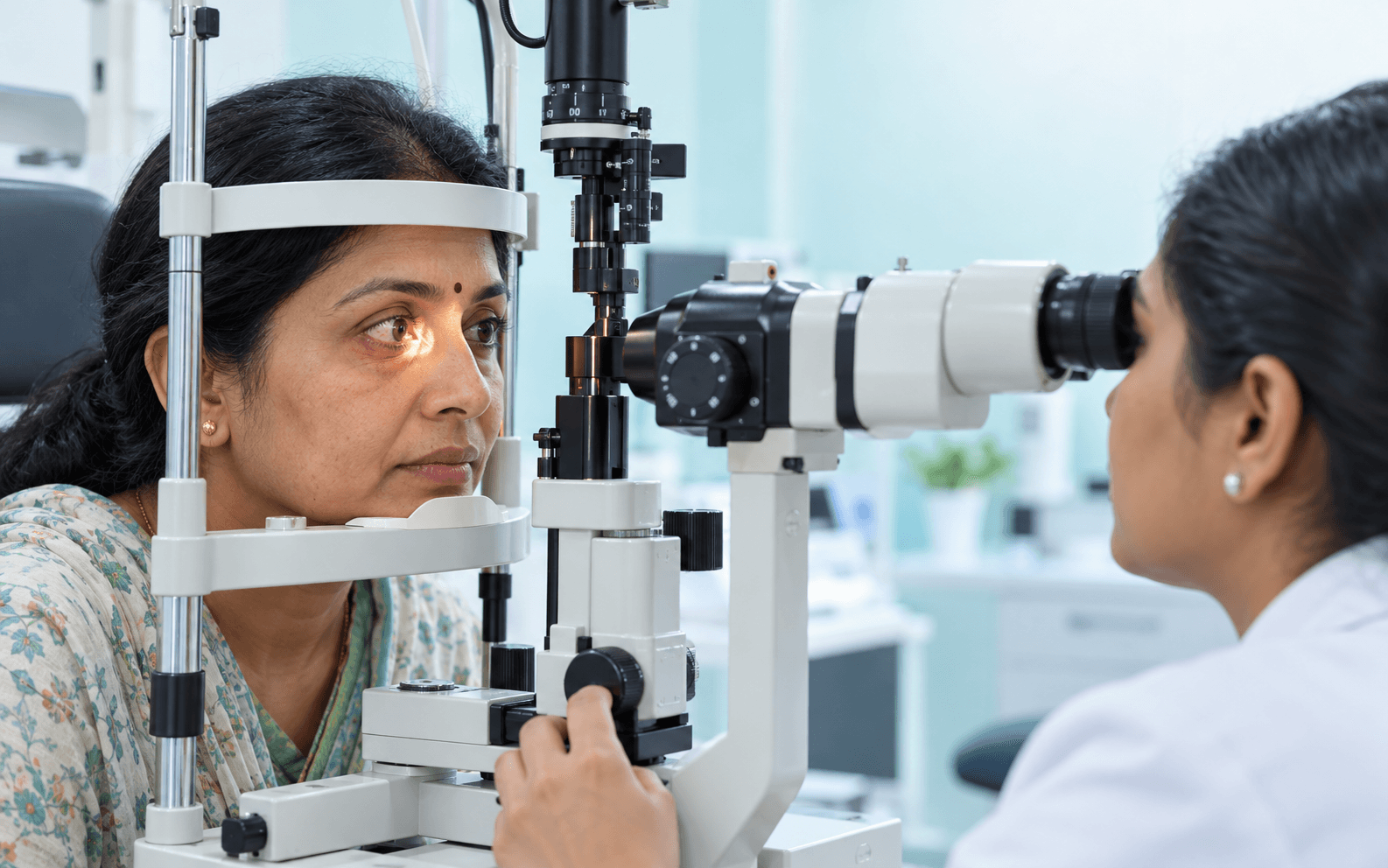
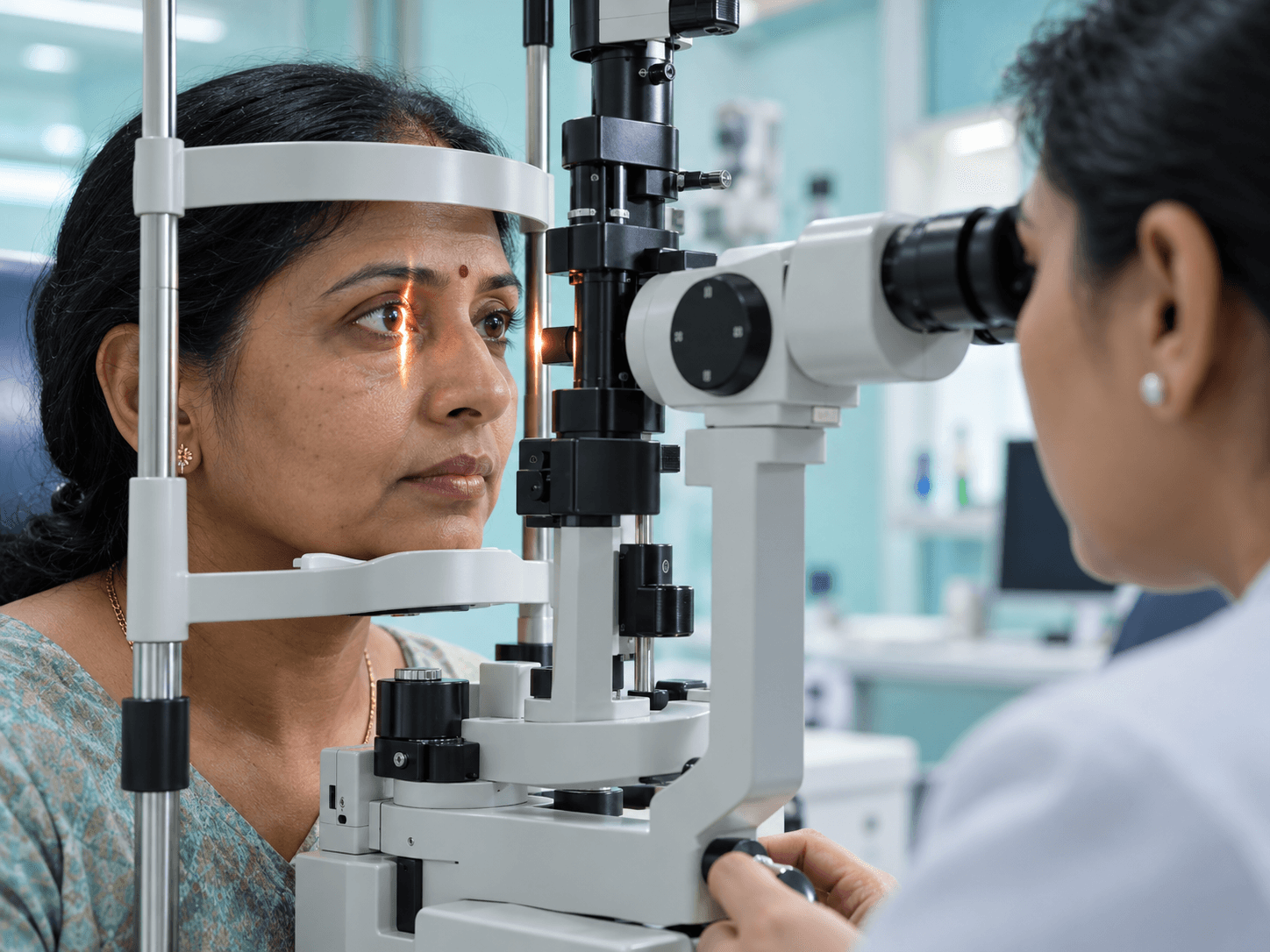
A detailed slit-lamp review shows the size and position of the growth and the health of the surrounding eye surface.
Clarity and corneal astigmatism are assessed, as a pterygium reaching the cornea can affect how clearly you see.
Practical advice on irritation, redness and sun protection helps you look after your eyes between visits.
Monitoring, eye drops or surgery are considered only after examination, based on the growth and your symptoms.
Surgery is supported by the Zeiss Visu 150 operating microscope, with a clear, magnified view throughout the procedure.
The team provides clear guidance through diagnosis, treatment and eligible insurance or TPA documentation.
Consultations are supported in English, Hindi and Gujarati to help patients and families understand their care.
When to seek an assessment
Redness, irritation, dryness or a visible growth should not be ignored. Early assessment helps determine whether treatment is needed and prevents discomfort or further progression.
Your examination
A comprehensive eye examination helps us understand the extent of the pterygium and plan the right treatment for you.

 01
We discuss your symptoms, duration, and any changes in vision or eye comfort.
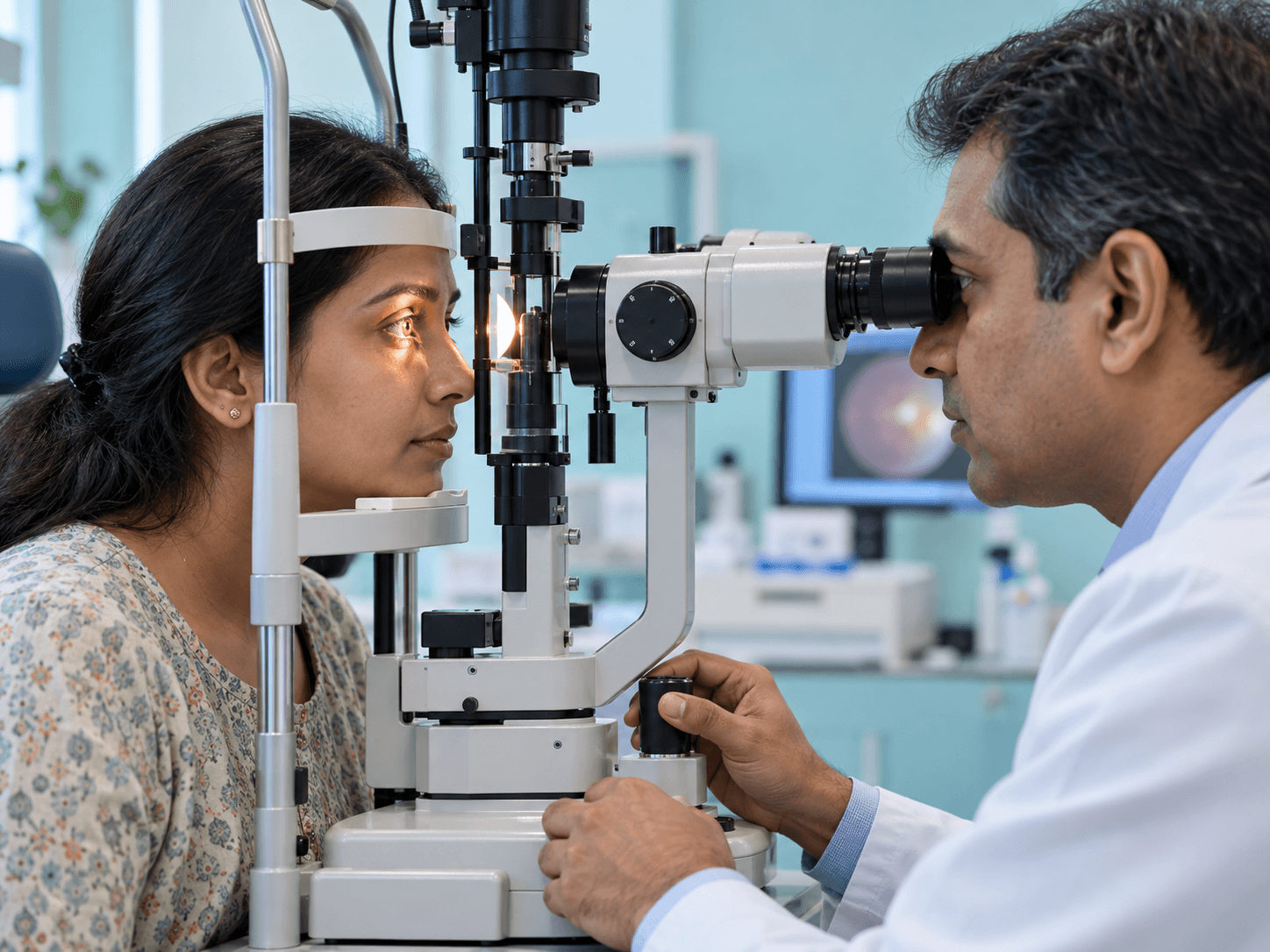 02
A detailed examination of the eye surface assesses the size, location and characteristics of the pterygium.
 03
We check vision and measure spectacle power to understand any changes caused by the pterygium.
 04
We evaluate the cornea and surrounding structures to understand the extent of involvement and plan care.
 05
We monitor changes over time and determine the right treatment or follow-up based on your condition.
Our advanced options
From detailed assessment to eye drops, surgery and long-term follow-up, every care plan is based on the size and effect of your pterygium.
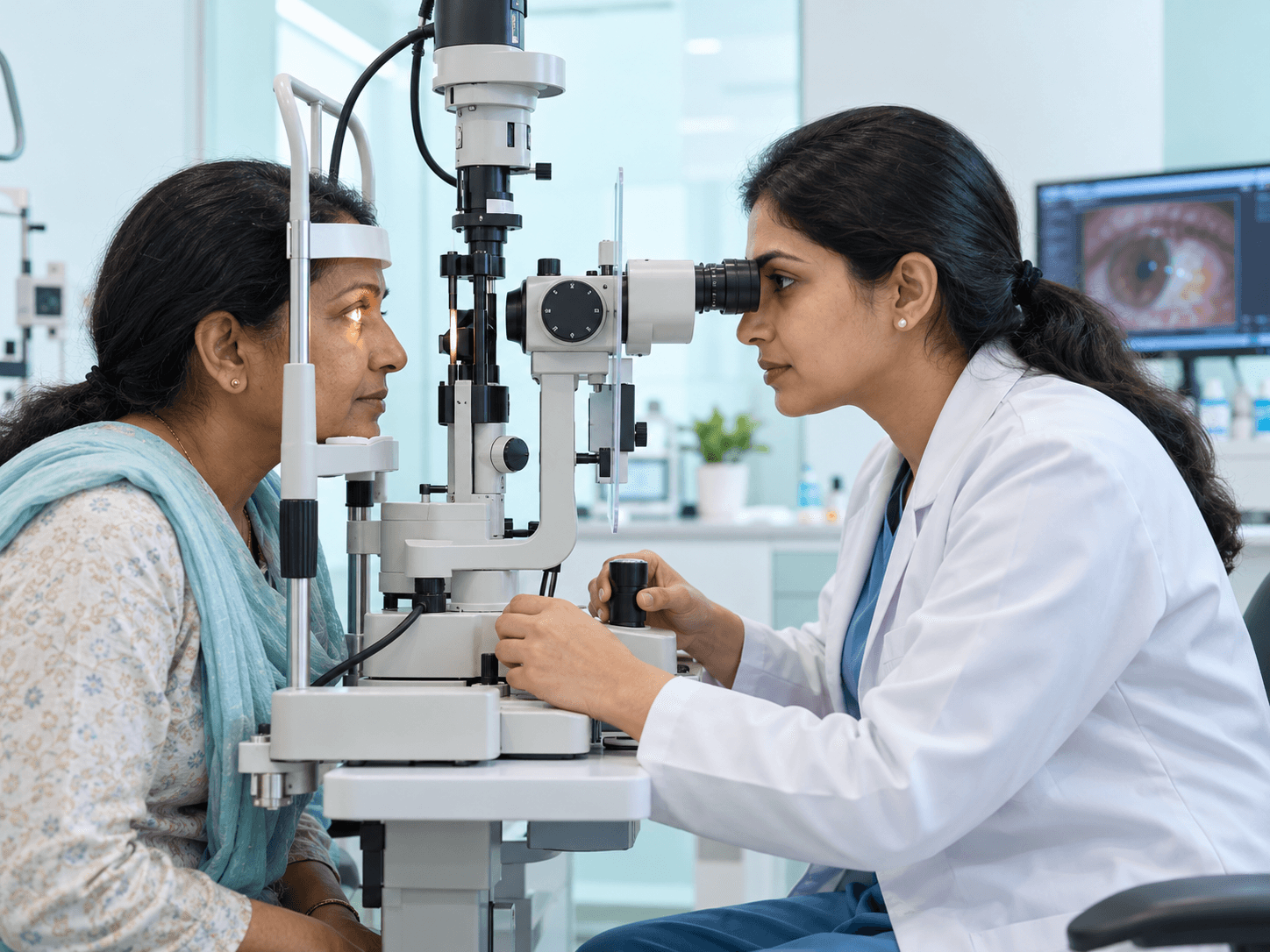
A detailed examination records the size and position of the growth and the health of the surrounding eye surface, creating a baseline for future comparison.
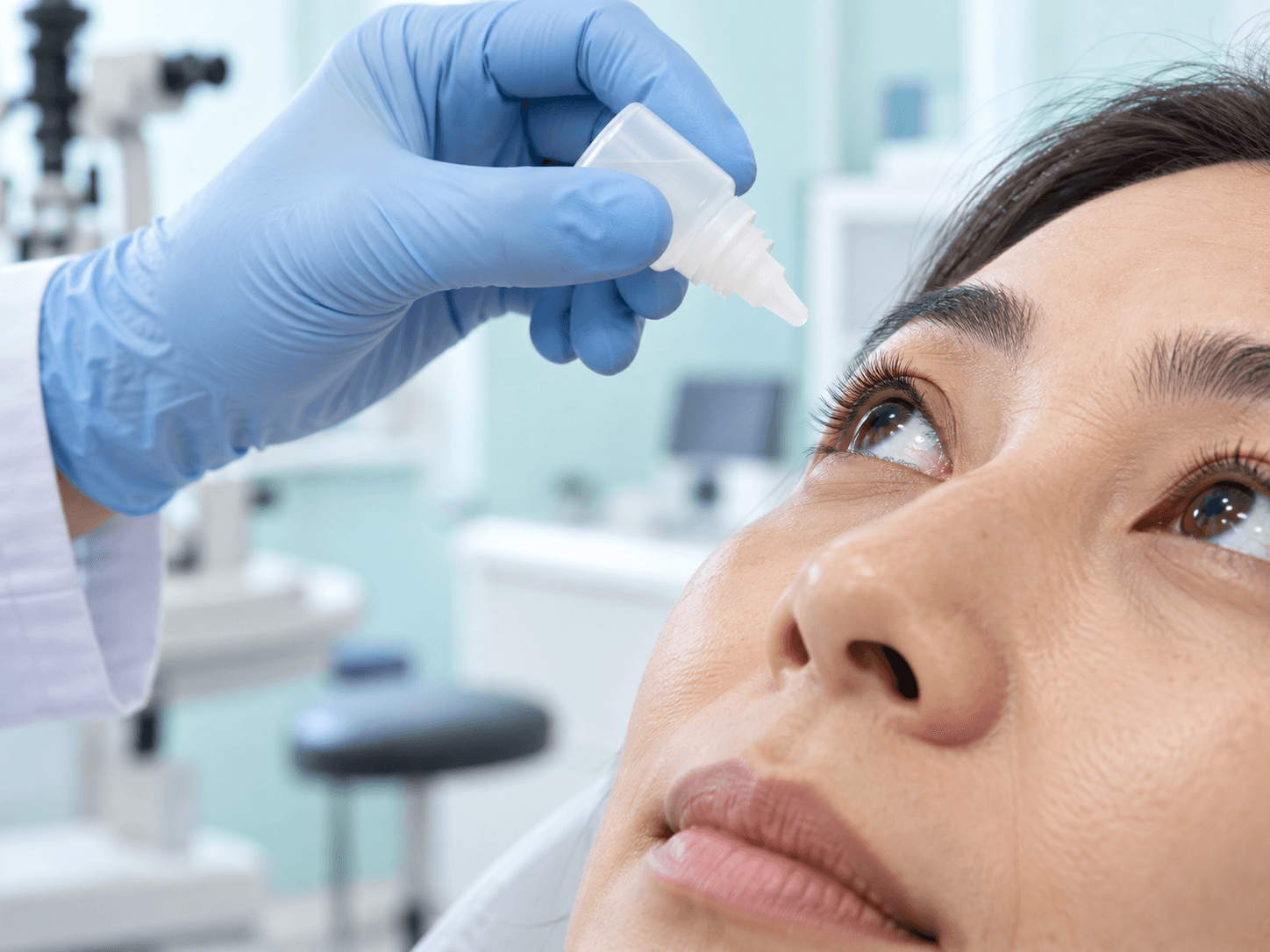
For mild pterygium, lubricating or prescribed drops may ease redness, dryness and irritation while the growth is monitored.
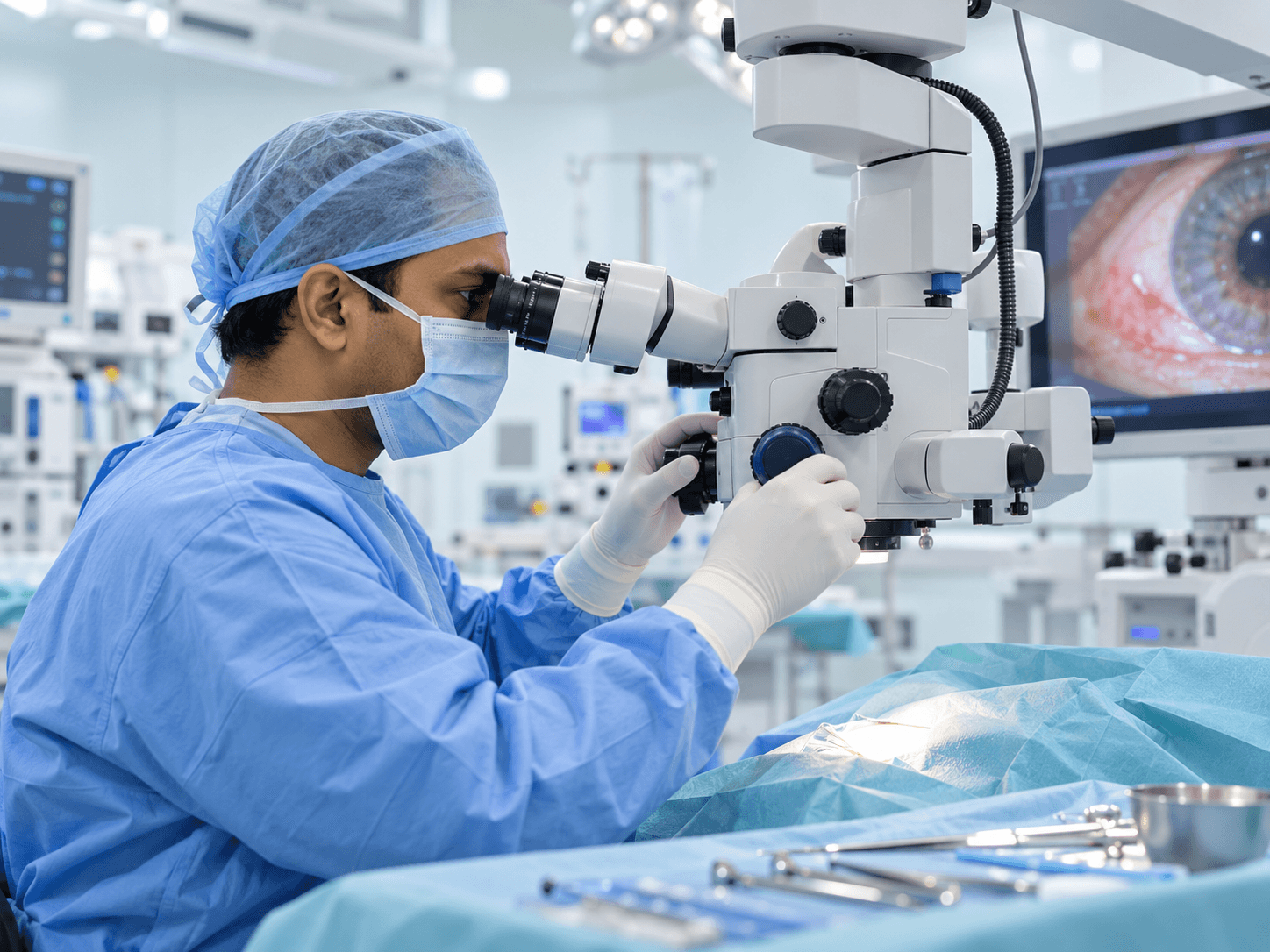
When the growth causes ongoing discomfort, affects vision or keeps growing, surgery to remove it may be recommended.

Sun and wind protection and regular reviews help look after the eye surface and check for any change or recurrence.
Treatment choice depends on the size of the growth, your symptoms and its effect on vision. Your ophthalmologist will explain suitable options after examination.
A pterygium can grow slowly over time. Early assessment and consistent follow-up help protect comfort and clear vision.

Follow-up and sun protection help look after the eye surface and support long-term comfort.

Treatment can ease redness, dryness and the gritty feeling that a pterygium often causes.

Managing a growth that reaches the cornea may reduce blurring and astigmatism changes.
Results vary with the size of the growth and how consistently treatment and follow-up are maintained. Your ophthalmologist will discuss realistic expectations with you.
Patient Care
Our team provides eye consultations, diagnostic evaluations and treatment planning based on each patient's individual eye health needs.
Eye examinations help our doctors assess your symptoms and eye health to determine the appropriate next steps for your care.
Eye examinations and diagnostic tests help our doctors assess eye conditions and guide clinical decisions.
Our doctors discuss suitable treatment options and recommend follow-up care according to each patient's individual needs.
Helpful guidance about pterygium, eye irritation, treatment options and what to expect from your visit.
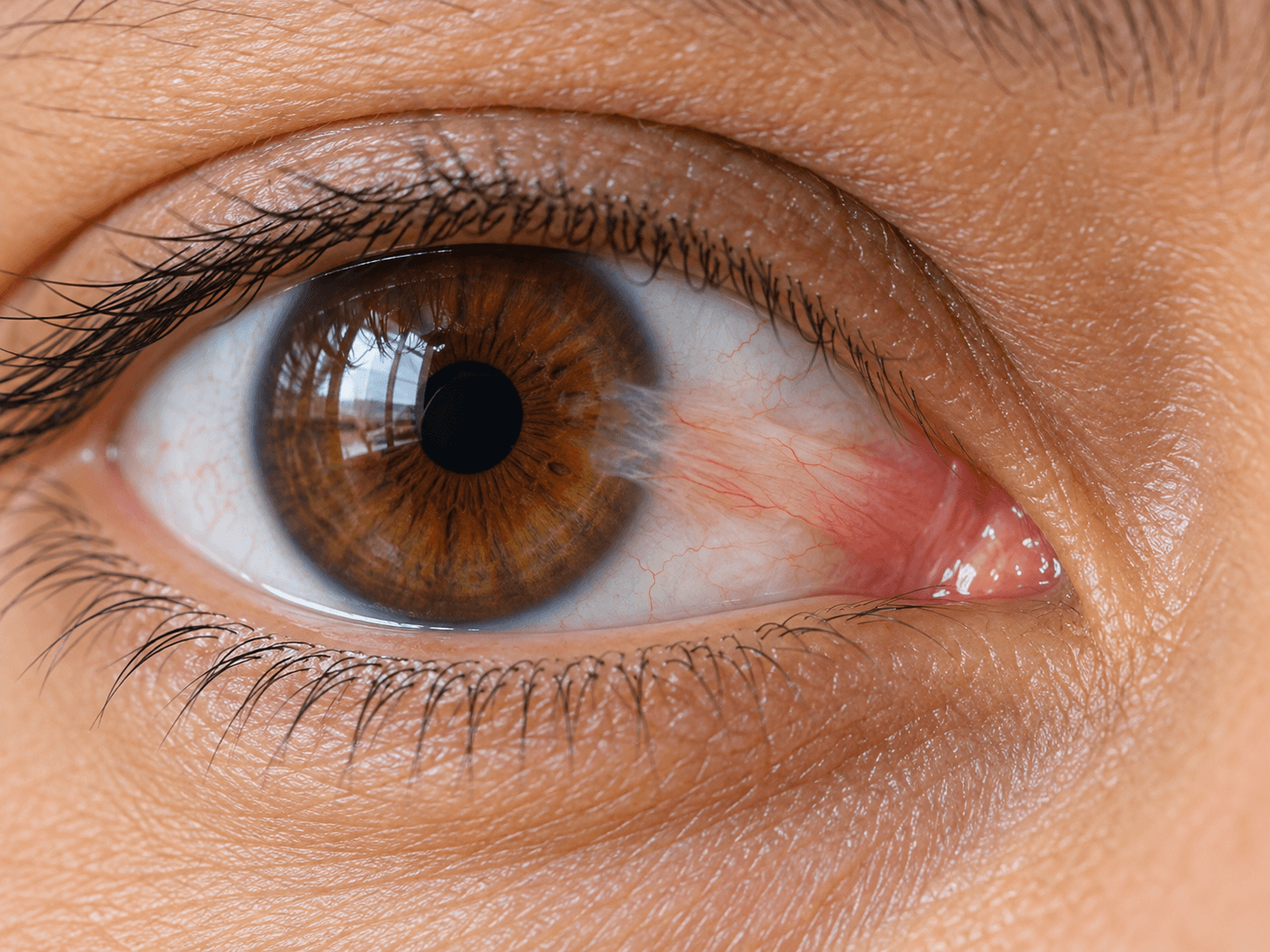
A pterygium is a common, non-cancerous growth of thin tissue on the clear surface of the eye. It usually starts on the white part of the eye and can slowly grow towards the cornea.
It is often linked to long-term exposure to sunlight (UV), wind and dust, which is why it is more common in people who spend a lot of time outdoors.
No. A small pterygium that causes little trouble may only need monitoring and lubricating eye drops. Surgery may be recommended if it causes ongoing discomfort, affects vision or keeps growing.
If it grows onto the cornea it can cause blurring or change astigmatism. Your doctor will check your vision and corneal shape during the examination.
A pterygium can sometimes recur after removal. Your surgeon will explain the technique used and the follow-up needed to reduce this risk.
Wearing UV-protective sunglasses and a hat outdoors, and protecting your eyes from dust and wind, can help. Lubricating drops may ease dryness if advised by your doctor.
Appointments are preferred and help us give you adequate time. Walk-ins are seen subject to availability. You can book quickly via WhatsApp or phone.
Take the first step
Book a pterygium assessment to discuss your symptoms, eye surface and treatment options with the Neyani Eye Hospital team.
Your visit includes an eye examination and a clear explanation of suitable next steps.